AMBREY INSIGHT > Gulf of Guinea Maritime Security and the Nigeria–Cameroon MoU
Date issued: 07 July 2026
This document has been approved for distribution by Ambrey Analytics Ltd.
“The Nigeria–Cameroon defence cooperation MoU reflects growing regional efforts to strengthen Gulf of Guinea maritime security through enhanced intelligence sharing, coordinated operations, and the continued development of the Combined Maritime Task Force – Gulf of Guinea (CMTF-GoG). While the agreement reinforces the wider regional security framework, current operational activity remains largely nationally focused, meaning its immediate impact on cross-border piracy and maritime risk is likely to be limited.”
EXECUTIVE SUMMARY
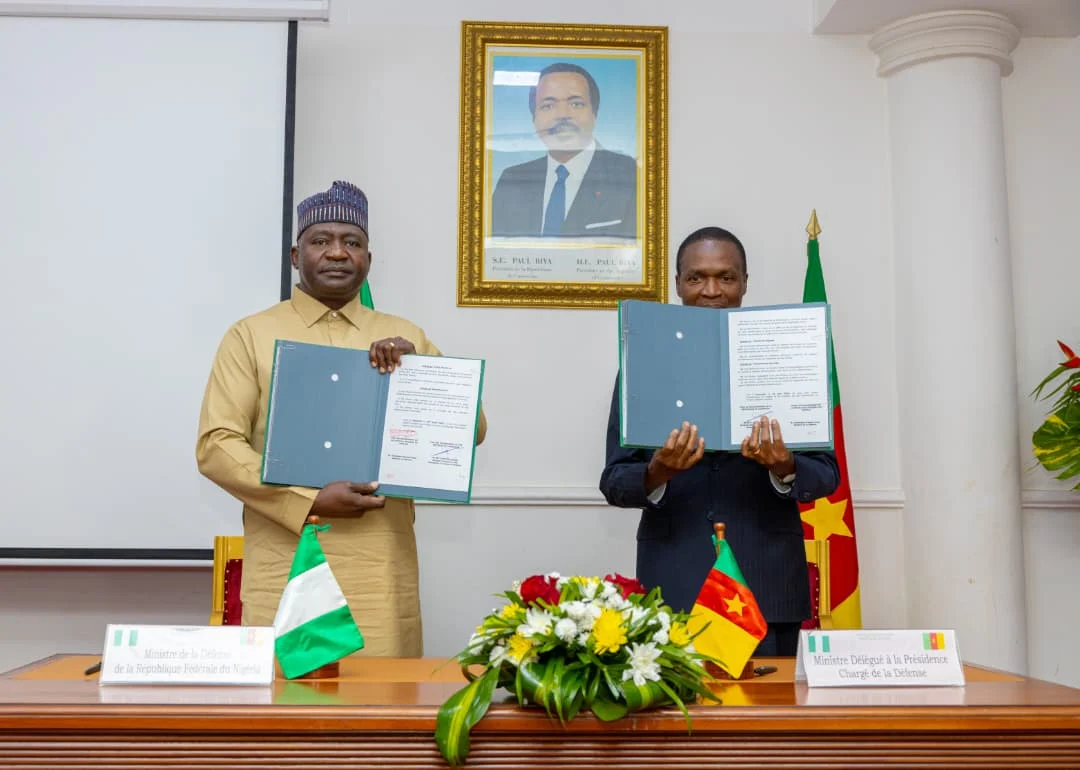
- Nigeria and Cameroon signed a defence cooperation Memorandum of Understanding (MoU) on 16 June 2026 to strengthen military cooperation across their shared land and maritime borders.
- The agreement prioritises intelligence sharing, coordinated operations and the continued development of the Combined Maritime Task Force – Gulf of Guinea (CMTF-GoG), reflecting a broader regional focus on countering organised maritime crime alongside piracy.
- While the MoU strengthens the framework for bilateral and regional cooperation, there is currently limited evidence that the CMTF has significantly altered the maritime threat environment. Its effectiveness will depend on sustained operational cooperation, continued development of the task force and greater participation from member states.
- The agreement is unlikely to result in an immediate reduction in maritime risk. Shipping companies should continue to follow existing security measures while its operational impact develops.
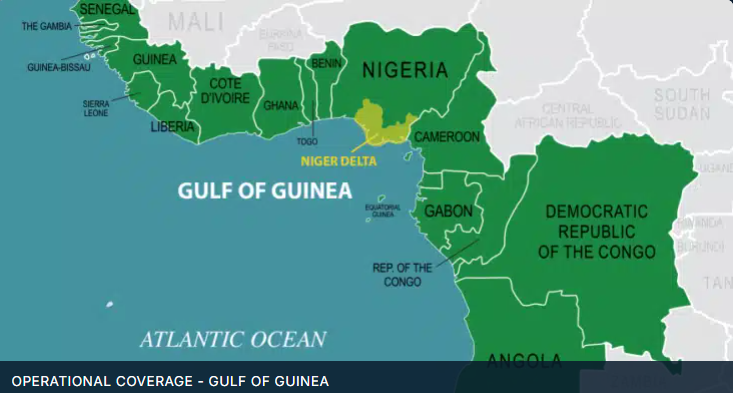
The number of recorded Pirate Action Group (PAG) operations has decreased from the levels recorded in 2020–2021. However, regional governments continue to face a broader range of maritime security challenges, including illegal oil theft, fuel smuggling, narcotics trafficking, arms trafficking, illegal fishing and wider organised criminal activity. These networks frequently operate across both land and maritime domains, exploiting weak border controls, jurisdictional boundaries and gaps in maritime enforcement. As a result, intelligence sharing and multinational cooperation are becoming increasingly important to disrupting organised criminal activity across the Gulf of Guinea.