AMBREY INSIGHT > ROHINGYA SEA CROSSINGS: A LAND CRISIS DRIVING DANGEROUS MARITIME MOVEMENTS
This document has been approved for distribution by Ambrey Analytics Ltd.
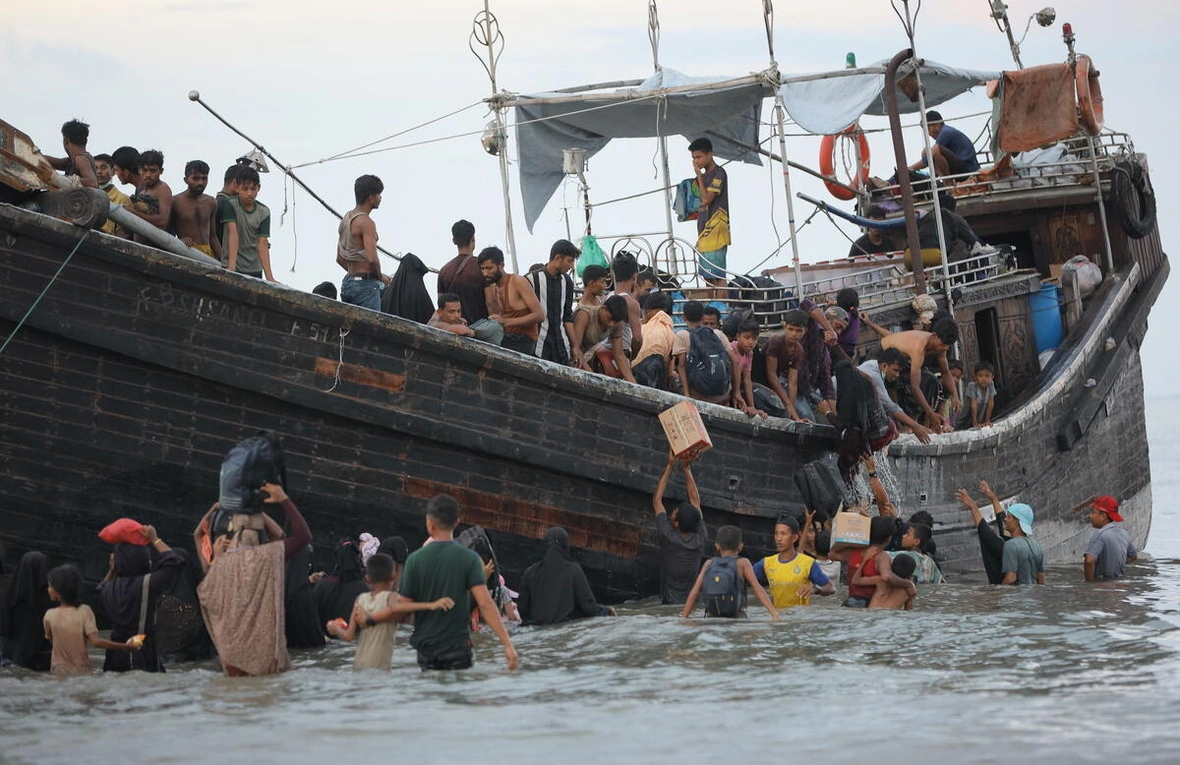
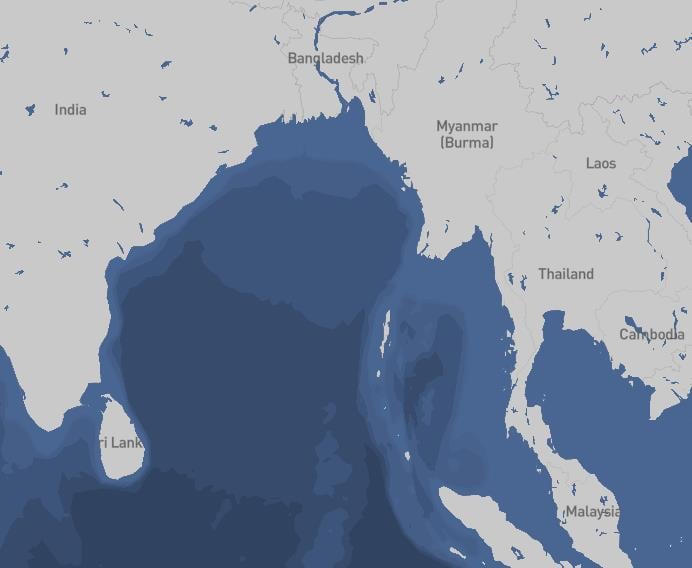
“Rohingya sea movements are no longer a seasonal issue at the margins of commercial shipping. Conflict in Myanmar, prolonged displacement in Bangladesh and adaptable smuggling networks are sustaining dangerous departures across the Bay of Bengal and Andaman Sea. Merchant vessels can become first responders without warning, and the burden often continues long after the rescue. Tighter enforcement may change routes and methods without reducing demand, so falling arrival figures should not be read as falling risk.”
EXECUTIVE SUMMARY
- Fighting in Rakhine State, on Myanmar’s western coast, escalated again from 3 September, with naval shelling of the Gwa and Thandwe coasts, airstrikes across three townships and a ground offensive towards Ponnagyun, held by the Arakan Army (AA), the ethnic armed group that took most of the state from the military. Thousands were reportedly displaced. These are the conditions that precede movement by sea.
- Malaysia plans to return 1,476 Myanmar nationals on 29 September. The United Nations High Commissioner for Refugees (UNHCR) said on 1 September that it has no role and that Myanmar is not safe for return.
- More than 500 people are feared dead or missing after two boat disasters in June and July, though figures remain unconfirmed. 2025 was the deadliest year recorded: more than 6,500 attempted crossings, nearly 900 dead or missing, and what UNHCR calls the highest mortality rate of any major refugee and migrant sea route worldwide.
- The problem begins on land, at both ends of the route. Territorial control in Rakhine has changed hands, but UN agencies and rights organisations assess that conditions for safe return have not followed, documenting serious abuses against Rohingya by both the Myanmar military and the AA.
- Disruption to scheduled shipping remains limited, but a single encounter can mean diversion, medical demands and prolonged uncertainty over disembarkation. Rescued groups may also be of mixed status.
Rakhine State saw renewed fighting in the first week of September 2026. Myanmar navy vessels reportedly shelled coastal areas of Gwa and Thandwe on 3 September, and aircraft struck villages across Sittwe, the military-held state capital, and neighbouring Ponnagyun and Rathedaung. On 9 September, the United Nations said hostilities since 3 September had displaced more than 1,100 people across Gwa, Ponnagyun, Rathedaung and Thandwe. Local reporting indicated that fighting along the Sittwe–Ponnagyun front continued through at least 12 September. Detailed battlefield reporting remains difficult to verify independently and relies largely on Rakhine-based and exile media citing residents and military sources…