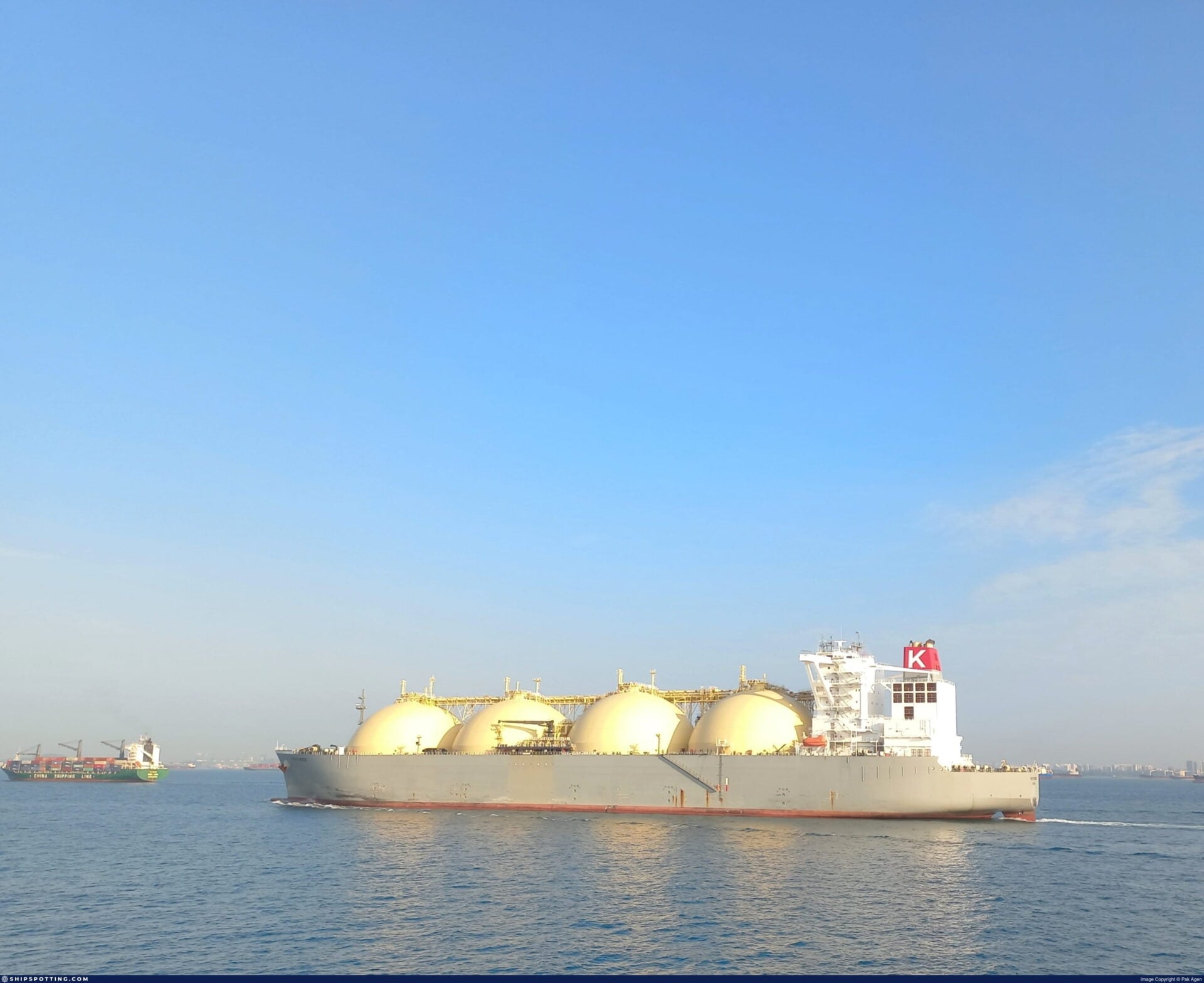
AMBREY INSIGHT > AUSTRALIAN LNG: ASIA’S SUPPLY BUFFER UNDER GROWING PRESSURE
Date issued: 22 July 2026
This document has been approved for distribution by Ambrey Analytics Ltd.
“Middle East disruption has increased the strategic importance of Australian LNG to Asian markets, particularly Japan, South Korea and Taiwan, which have limited domestic production and pipeline alternatives and rely heavily on seaborne LNG. Yet labour disputes, cyclone exposure and domestic policy uncertainty mean that national export capacity does not always translate into reliable supply or flexible cargoes. Asian buyers and shipping interests should therefore assess Australian LNG supply security at project and cargo level, rather than relying on national export capacity alone.”
EXECUTIVE SUMMARY
- The June 2026 Ichthys strike delayed a Taiwan-bound carrier, shut one LNG train and interrupted exports. The settlement may shape later bargaining at Shell, Chevron and Woodside, while the Fair Work Commission decision illustrated the high threshold for suspending protected action on grounds of economic harm.
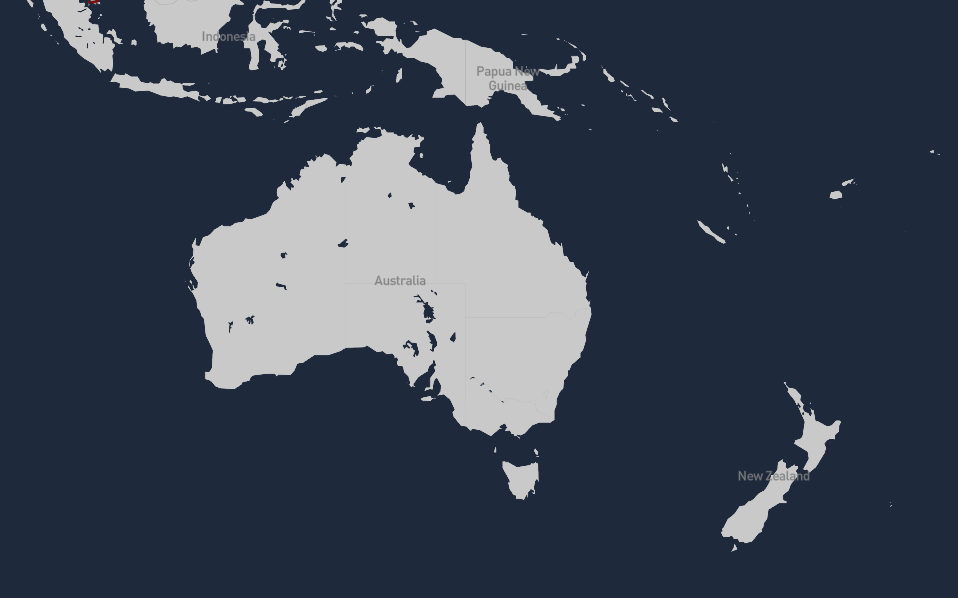
- Australia exported about 78.8 million tonnes of LNG in 2025 and ranked third globally. Its importance to Asia is greater than this ranking suggests because most cargoes serve the region and avoid the Strait of Hormuz.
- Japan, China, South Korea and Taiwan received 89.4% of Australian LNG exports in 2025. Japan, South Korea and Taiwan are more exposed to prolonged disruption, while China has greater scope to adjust supply sources and fuel use.
- Higher export earnings have intensified domestic debate over gas supply. A 20% domestic supply obligation is scheduled to begin on 1 July 2027, although implementation details are still being finalised. Alongside labour and operational risks, the policy reinforces the need for assessment at project and contract level.
SITUATION
On 15 July, around 470 workers at INPEX’s Ichthys LNG project endorsed a new agreement after industrial action disrupted production and exports in June. An early stoppage delayed the Taiwan-bound Pacific Breeze by about 24 hours, while later action led INPEX to shut one of the project’s two LNG trains. Unions said one LNG cargo and two condensate cargoes missed their loading windows, estimating the cost at around A$200 million. The action ended on 17 June. Although the delayed carrier was bound for Taiwan, the disruption highlighted Japan’s project-level exposure: according to INPEX, around 70% of the project’s contracted LNG volumes are destined for Japanese buyers.