AMBREY INSIGHT> Cuba’s Energy Crisis and Regional Maritime Implications
Date issued: 02 June 2026
“Heightened military signalling in the Caribbean amid rising tensions between Cuba and the United States is contributing to a more elevated regional risk environment. Recent US naval deployments and stricter enforcement of sanctioned cargo flows increase the likelihood of maritime security disruptions and could affect commercial shipping operations across the region.”
Source: This document has been approved for distribution by Ambrey Analytics Ltd.
EXECUTIVE SUMMARY
- Since January 2025, US measures under Donald Trump administration have intensified pressure on Cuba by targeting oil supply chains, including actions against Venezuela and secondary sanctions on suppliers.
- Cuba’s heavy reliance on Venezuelan crude has left it highly vulnerable following disruptions to this supply and the halt of Mexican deliveries.
- Broader global dynamics, including instability in the Strait of Hormuz, are tightening oil markets and increasing freight and insurance costs, further limiting Cuba’s ability to secure supply.
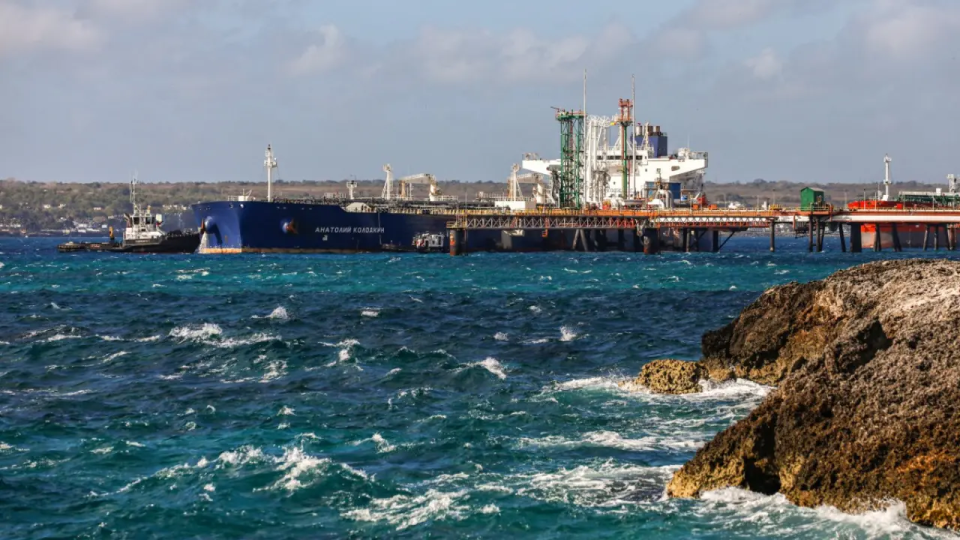
- External support remains limited and inconsistent, with isolated deliveries such as the Russian tanker ANATOLY KOLODKIN providing only short-term relief under constrained conditions.
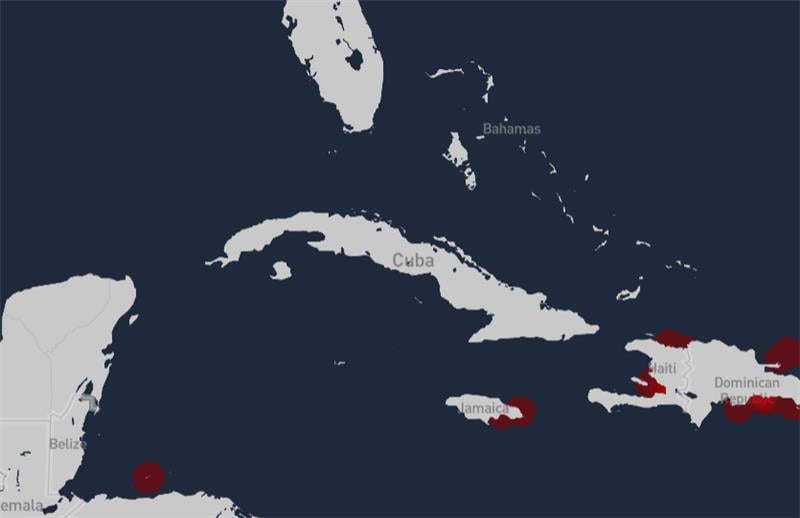
- Expanded US naval and air deployments around Cuba mirror aspects of the force posture observed prior to the January 2026 Venezuela operation, increasing the risk of military escalation, coercive action and disruption to regional maritime operations.
- The regional risk environment is expected to deteriorate, driven by increased US enforcement, potential vessel interdictions, and heightened sanctions exposure.
CONTENT
The situation in Cuba has deteriorated since January 2025, when the Donald Trump administration expanded pressure measures across the region. Following a US military operation that culminated in the capture of Nicolás Maduro, an Executive Order declared a national emergency and established a framework to impose tariffs on countries that sell or provide oil to Cuba.
Before these developments, Cuba depended heavily on Venezuela for oil, receiving thousands of barrels to support basic services and ease long-standing US pressure. After the collapse of support from the Soviet Union, Venezuela had become Cuba’s main energy partner and a key source of stability. Following the new US measures, Mexico, who also was an important energy supplier for the island, have declared to have halted its oil supplies to Cuba as a protection measure against tariffs. This decision further reduced fuel availability and increased pressure on the island’s energy system.
Currently, Cuba faces a deepened energy crisis marked by nationwide power outages, disruption to water and essential services, and even the suspension of fuel supplies to international airlines. In March, three major blackouts affected more than 10 million people after the national grid collapsed. These conditions have also contributed to public unrest, including protests linked to food shortages.
At the same time, political stability in Cuba remains under pressure as external and internal challenges grow. President Donald Trump has repeatedly stated that the Cuban government could collapse under sustained economic and political strain, particularly as energy shortages and sanctions intensify.
External involvement marked a significant development:
On 31 March, the sanctioned Russian-flagged tanker ANATOLY KOLODKIN delivered about 700,000 barrels of crude oil to Matanzas, marking the first shipment in around three months. The US government said the delivery was allowed on humanitarian grounds but confirmed that its policy remains unchanged and that vessels bound for Cuba could still be seized if they break sanctions rules.
ANALYSIS
In the end of 2025, US government released the country’s 2025 National Security Strategy a document that reinforced the United States intentions to reassert the Monroe Doctrine and restore American pre-eminence in the Western Hemisphere. These policies have directly affected Cuba’s energy sector, particularly through actions against Venezuela and secondary sanctions on oil suppliers. While Russia has provided limited support framed as humanitarian assistance, and countries like China have expressed political backing, tangible and sustained international assistance remains insufficient to offset the loss of Venezuelan supply.
At the same time, the evolving crisis in the Strait of Hormuz has likely exacerbated the situation by tightening global oil markets and increasing freight and insurance costs. Although Cuba does not rely directly on Gulf imports, it is structurally exposed to global price volatility, as the island relies heavily on politically aligned suppliers like Russia and Venezuela. Both of those countries are themselves exposed to global price shifts and logistical constraints. If prices surge, Cuba may struggle to afford spot cargoes and even subsidized, or politically motivated shipments could become less frequent or smaller due to competing global demand.
The implications for the wider Caribbean are significant. Although the United States has recently allowed a sanctioned tanker to deliver oil to Cuba, this appears to be a limited exception rather than a consistent policy change. The regulatory environment remains uncertain, and there is a real risk of cargo seizure or sanctions exposure if US policy shifts suddenly or enforcement tightens. This risk is reinforced by Trump’s stated intention to reassert the Monroe Doctrine, which has been accompanied by a greater US military and enforcement presence across the Caribbean and the wider Western Hemisphere.
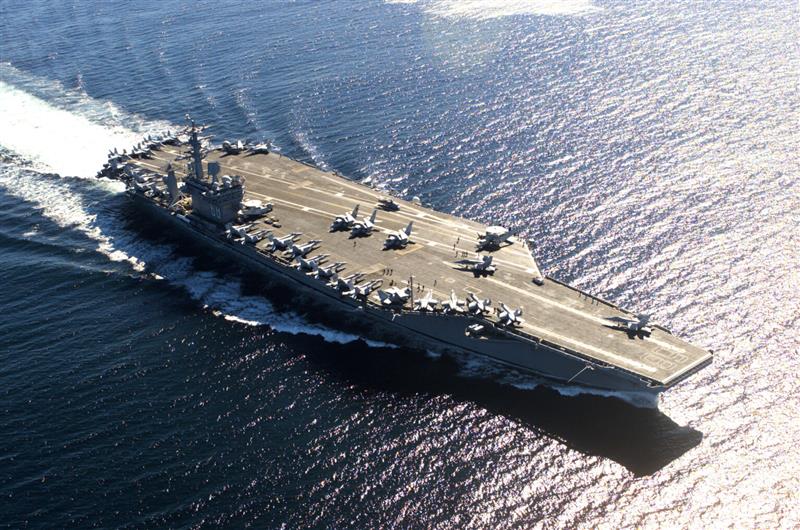
As US influence over Venezuelan oil flows increases and fuel shortages deepen in countries such as Cuba, the potential for escalation involving external actors also rises. This could include stricter enforcement measures by the United States or a more visible role from partners such as Russia in sustaining supply. Recent reporting also indicates that the US has significantly expanded its naval and air presence in the Caribbean, including the deployment of the USS NIMITZ carrier strike group, guided missile destroyers, and amphibious forces capable of supporting rapid military operations.
The posture has drawn comparisons with the military build-up that preceded the January 2026 operation against Venezuela, during which US forces deployed substantial naval and air assets in the Caribbean before conducting strikes and a special forces raid that resulted in the capture of former Venezuelan President Nicolas Maduro. The current deployment around Cuba mirrors elements of that earlier posture, particularly the forward positioning of carrier strike assets and continuous surveillance activity, increasing concerns over the potential for coercive action, miscalculation or broader regional instability.
At the same time, enforcement is likely to become more assertive. This may involve increased monitoring and interdiction of vessels suspected of carrying sanctioned cargo, particularly as the United States expands its military and security presence in the Caribbean in line with its broader regional strategy. Such actions would heighten the likelihood of seizures, and enhanced scrutiny, while also driving up insurance costs for vessels transiting the Caribbean Sea.
RECOMMENDATIONS
Merchant shipping is advised to:
- Engage an industry-recognised intelligence specialist to regularly assess political and security risks to create a comprehensive, dynamic, risk profile for voyages within the Caribbean Sea.
- Conduct enhanced sanctions due diligence on all counterparties, cargoes, and payment structures, particularly for Cuba-linked operations.
- Develop contingency plans, including alternative ports and routing options, to mitigate the impact of sudden regulatory or operational changes.
CONTACT INFORMATION
Ambrey: +44 203 503 0320, intelligence@ambrey.com
AMBREY – For Every Seafarer, Every Vessel, Everywhere.