Growing Pressure on Russian Baltic Crude Exports Amid Rising Oil Prices
Date issued: 31 March 2026
“It is assessed that the combined effect of kinetic disruption and regulatory enforcement is shifting Russian crude exports into a higher-cost, higher-risk operating model. While elevated oil prices provide short-term revenue support, the sustainability of export flows, particularly from the Baltic, will remain increasingly constrained. This dynamic is likely to reinforce volatility across tanker markets, with compliant operators facing both elevated risk exposure and emerging commercial opportunities. The dual pressure of Ukrainian attacks and European enforcement is effectively making legitimate ships the higher-value, lower-friction option in a tight mark.”
EXECUTIVE SUMMARY
- Russian crude export flows from the Baltic Sea are under increasing pressure due to sustained strikes on port infrastructure and tightening Western enforcement measures.
- Elevated global oil prices are partially offsetting losses, but Russia is unlikely to fully capitalise due to mounting logistical and operational constraints.
- The risk profile of transporting Russian crude, particularly via shadow fleet networks, has increased materially, driving behavioural changes in vessel routing.
- Legitimate tanker operators face growing exposure to secondary risks, including collateral damage, business interruptions, compliance scrutiny, congestion, and reputational considerations. However, there is a potential for legitimate/compliant tonnage to benefit.
ANALYSIS
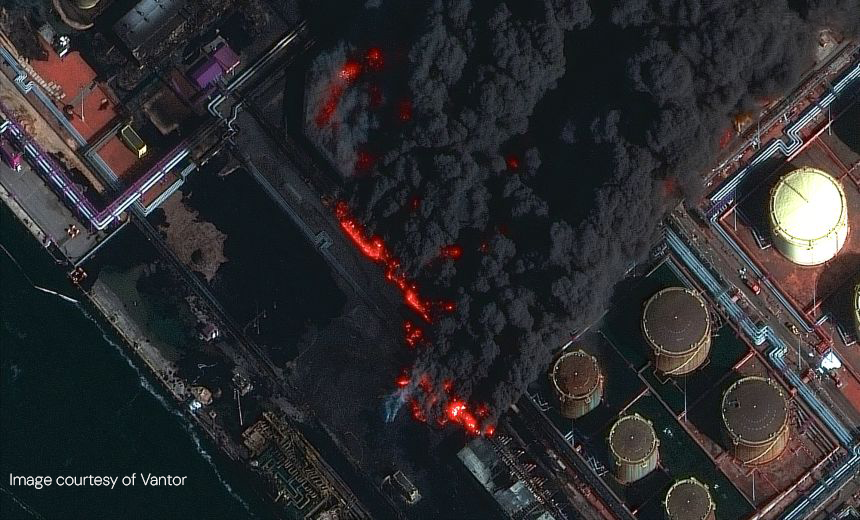
Ukrainian forces have continued a sustained campaign targeting Russian energy export infrastructure in the Baltic Sea. The port of Ust-Luga, one of Russia’s primary crude export terminals, has been struck multiple times over the last seven days, with satellite imagery indicating significant structural damage and ongoing fires. Loading operations have been intermittently suspended for over a week, disrupting export throughput at a critical node.
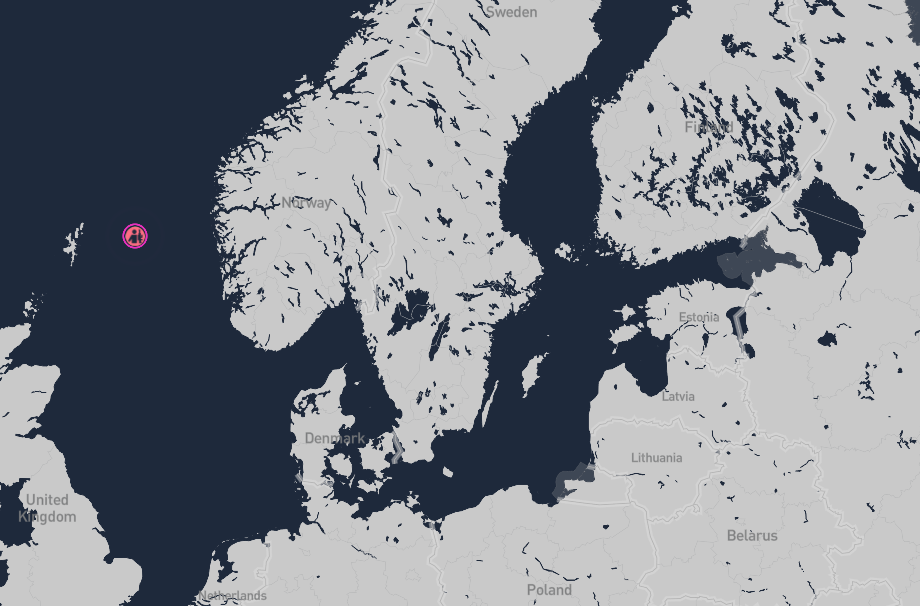
Ambrey has observed early indicators of behavioural change. Since the announcement, multiple tankers assessed to be involved in Russian crude transport have altered course or avoided UK waters entirely, with several repositioning in the North Sea rather than continuing southbound transit.
On Russian Exports
- Disruptions at Ust-Luga are likely to reduce short-term export capacity from the Baltic. Reportedly, up 40 % of Russian export capacity has been halted.
- Increased enforcement risk is raising the cost and complexity of moving crude via shadow fleet networks.
- Port destruction rather than production limits therefore constrains Russia’s ability to benefit from higher oil prices.
On Shadow Fleet Operations
- Likely increase in route diversification to avoid high-risk chokepoints.
- Greater reliance on ship-to-ship (STS) transfers and indirect routing.
- Rising operational costs due to re-routing, delays, and heightened interdiction risk.
Legitimate Tonnage
- Increased congestion and routing inefficiencies as shadow fleet vessels avoid traditional transit corridors, displacing traffic into alternative sea lanes.
- Heightened compliance scrutiny from authorities, particularly in European waters, is increasing administrative and operational burdens.
- Elevated reputational and legal risk, especially for operators with indirect exposure (e.g. STS operations, shared anchorages, or port calls linked to Russian cargo flows).
- Potential uplift in freight rates for compliant tonnage, driven by reduced effective supply and higher risk premiums.
Outlook
- Ukrainian strikes against energy infrastructure are likely to continue, particularly targeting high-value export nodes.
- European enforcement measures are expected to tighten further, with increased coordination and willingness to interdict suspect vessels.
- Shadow fleet adaptation will continue, though at increasing cost and reduced efficiency.
- Legitimate operators will need to navigate a more complex compliance environment while potentially benefiting from tightening tanker supply.
Ambrey: +44 203 503 0320, intelligence@ambrey.com
AMBREY – For Every Seafarer, Every Vessel, Everywhere.