AMBREY THREAT CIRCULAR> TEMPORARY CEASEFIRE AGREED
Date update released: 08 April 2026
Source: This document has been approved for distribution by Ambrey Analytics Ltd.
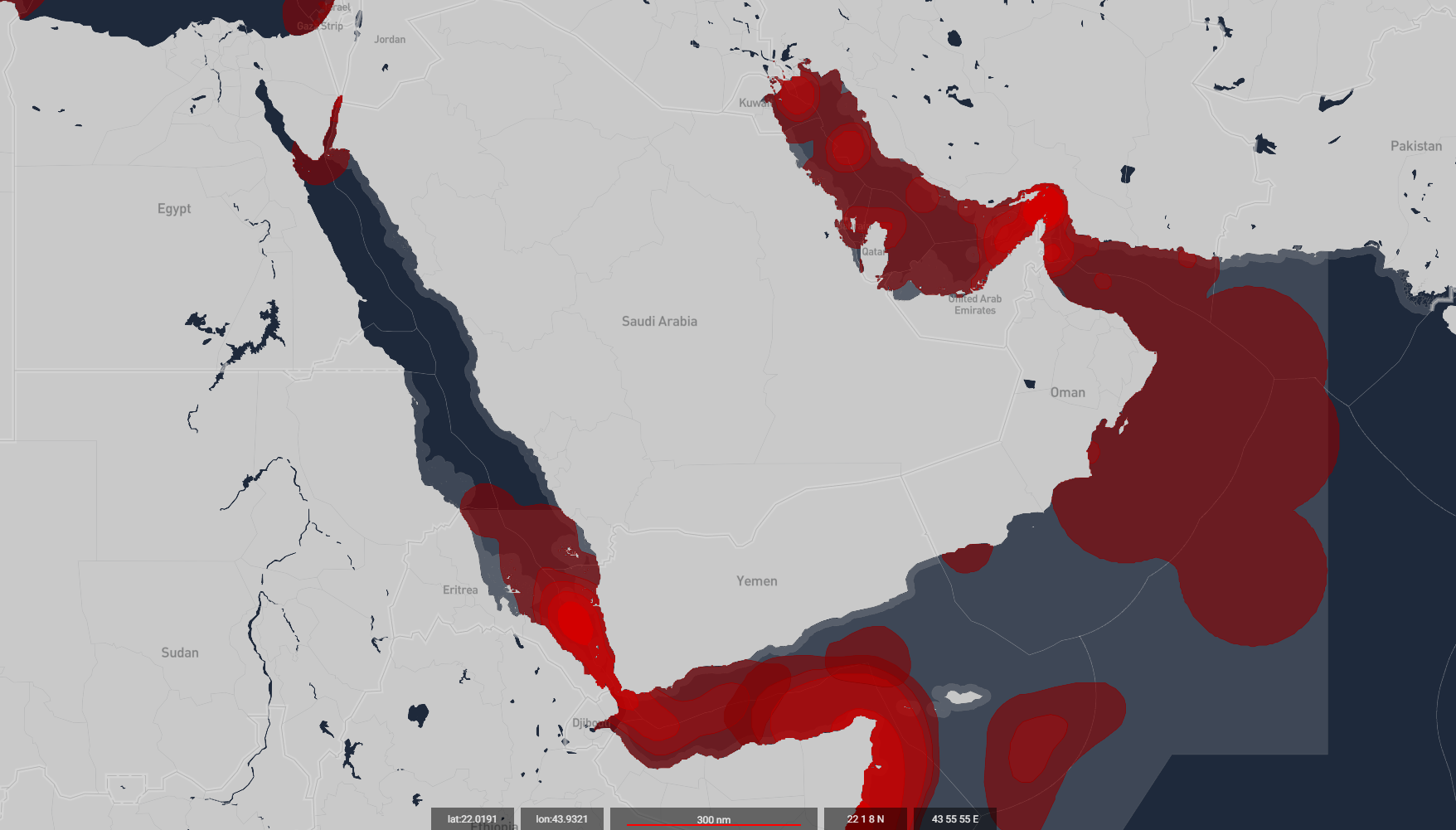
“The US and Iran have agreed on a 2-week ceasefire. Israel has explicitly excluded from Lebanon being included in the agreement. Iran has maintained authority over the Strait of Hormuz despite US demands for safe passage. Ambrey assessed the risk to shipping operating in/off the Arabian/Persian Gulf, Gulf of Oman, west coast Saudi Arabia, and Israel to have reduced until 22 April, though this may change at very short notice.
Ambrey assessed there to be a realistic possibility of continued risk to unauthorised Strait of Hormuz transits as well as to Israel- and US- affiliated shipping attempting to transit. Shipping is advised to proceed with caution and to engage authorities regarding safe passage of the Strait of Hormuz.”
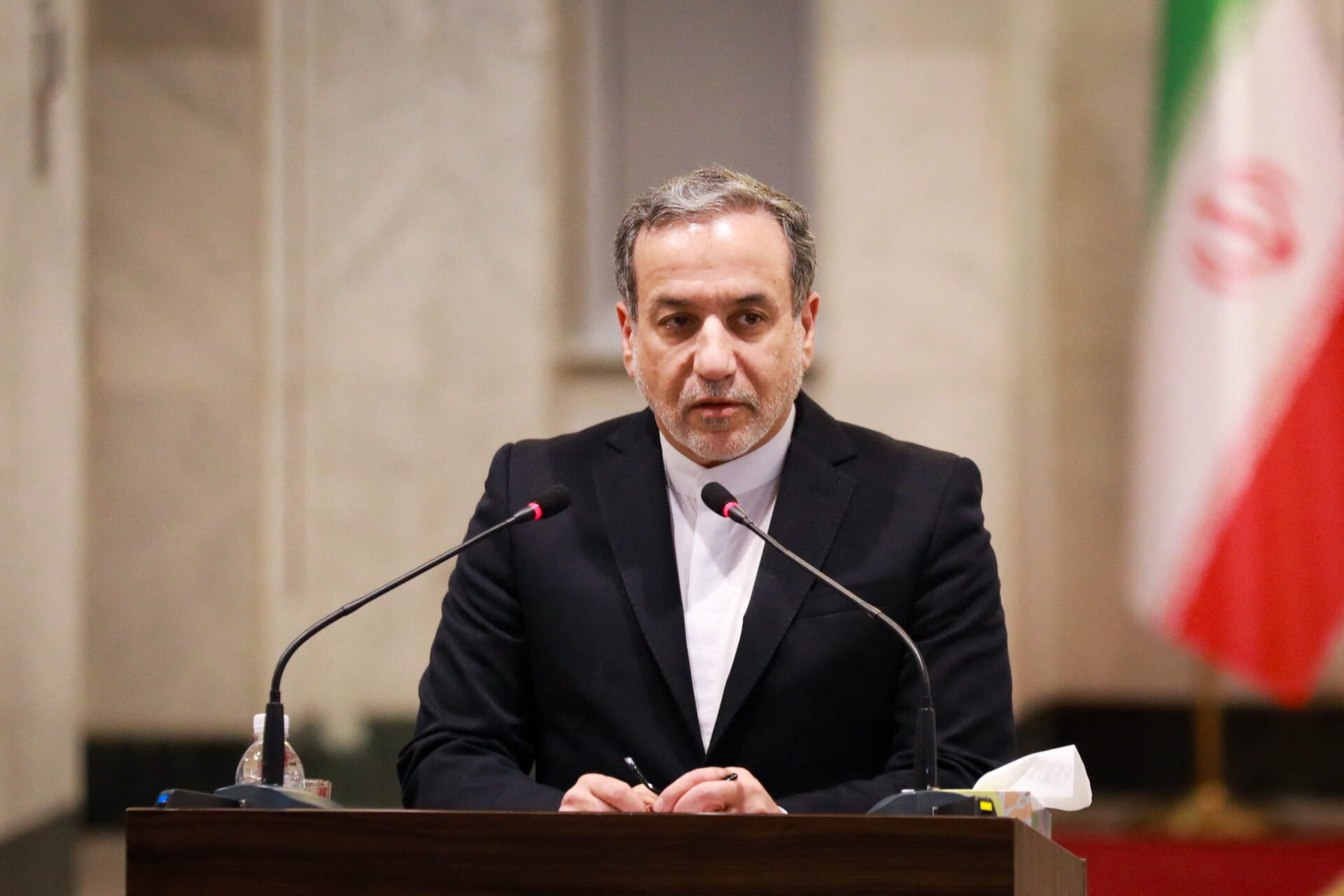
Seyed Abbas Araghchi, Minister of Foreign Affairs – Islamic Republic of Iran
EXECUTIVE SUMMARY
- On 07 April, US President Donald Trump announced is acceptance of a Pakistan-mediated ceasefire proposal.
- On 08 April, Iran’s National Security Council stated it had accepted the terms as well.
- Respective allies Israel, Hezbollah, Iraqi militants, and Ansar Allah were reportedly included in the ceasefire. Israel has stated the ceasefire would not apply to Lebanon.
- The ceasefire is set for two weeks and may be extended. Negotiations were to commence on 10 April in Islamabad, Pakistan.
- Iranian official statements have emphasised continued Iranian control over the Strait of Hormuz. ‘Safe’ passage has been granted under condition of coordination with Iranian forces and subject to “technical restrictions”.
- Shipping is advised to procced with caution and to engage authorities regarding safe passage of the Strait of Hormuz.
SITUATION
Late on 07 April, less than two hours before US President Donald Trump’s 8pm EDT deadline, Trump stated that he had accepted a Pakistan-mediated ceasefire proposal “subject to the Islamic Republic of Iran agreeing to the COMPLETE, IMMEDIATE, and SAFE OPENING of the Strait of Hormuz”. On the morning of 08 April Iran’s National Security Council issued a statement agreeing to the ceasefire. The ceasefire was reportedly based on an Iranian 10-point proposal which included a cessation of hostilities on all fronts.
Israel reportedly accepted the ceasefire, with Pakistan’s Prime Minister Shehbaz Sharif specifying it included Lebanon. Israeli Prime Minister Benjamin Netanyahu’s office has since stipulated Israel would not consider the ceasefire to extend to combat operations against Hezbollah. Regarding other elements of the ‘Axis of Resistance’, Iraqi militants declared their willingness to abide by the ceasefire, while Ansar Allah (“the Houthis”) had not offered a public statement at the time of writing.
The ceasefire was set to last two weeks. The US agreed to halt offensive military operations, while Iran stated it would allow conditional, safe passage through the Strait of Hormuz. Pakistan-mediated negotiations were scheduled to commence in Islamabad, Pakistan, on 10 April 2026.
Despite the announcements, air raid sirens continued to be sounded in Bahrain, Israel, Kuwait, Qatar, Saudi Arabia, and the UAE in response to Iranian attacks. Additionally, the Houthis reportedly attempted two missile attacks against Israel, though both malfunctioned before reaching Israel. The Israeli Air Force reportedly conducted further airstrikes against Iran. The overnight activity showcased uncertainty over when the ceasefire would come into effect and how soon decentralised elements of the Iranian Armed Forces could be stood down.
The Iranian demands for a peace included:
- Cessation of war on all fronts
- A commitment and guarantees for no future Israel/US attacks against Iran
- Continued Iranian control over the Strait of Hormuz
- Lifting of all primary and secondary sanctions
- Termination of all UN Security Council and IAEA Board of Governors resolutions
- Payment of reparations to Iran
- Acceptance of uranium enrichment
- Withdrawal of all US forces from the region
Though negotiations are started on maximalist demands, acceptance of key elements of the above would stand in contradiction to expressed US or Israeli goals of the war. The Israeli Opposition Leader Yair Lapid formulated the conundrum this ceasefire and potential future peace agreement entailed for Israel and the US. Lapid stated: “There has never been such a political disaster in all of our history. Israel wasn’t even at the table when decisions were made concerning the core of our national security. The military carried out everything that was asked of it, the public demonstrated amazing resilience, but Netanyahu failed politically, failed strategically, and didn’t meet a single one of the goals that he himself set.”
ASSESSMENT
Ambrey assessed the risk to shipping operating in/off the Arabian/Persian Gulf, Gulf of Oman, west coast Saudi Arabia, and Israel to have reduced until 22 April, though this may change at very short notice.
Ambrey assessed there to be a realistic possibility of continued risk to unauthorised Strait of Hormuz transits as well as to Israel- and US- affiliated shipping attempting to transit. Iran explicitly reserved control over the strait, with Iran’s Foreign Minister Abbas Araghchi stating: “For a period of two weeks, safe passage through the Strait of Hormuz will be possible via coordination with Iran’s Armed Forces and with due consideration of technical limitations.” Conditions under which Israel/US-affiliated shipping will be permitted to transit have not been disclosed, though statements suggest a continuation of the existing model.
The “coordination” of safe passage with the Iranian Armed Forces has taken the form of diplomatic agreements between shipowners/charterers and Iran, probably arranged through national embassies in Tehran. Unless otherwise evidenced, this is “safer” option. Even shipping with apparent approval has been turned back in recent weeks mid-transit. Crews are advised to follow instructions accordingly even if there has been coordination. Merchant vessels that proceed on the normal pre-war route without explicit coordination with the Iranian Armed Forces are advised the transit remains high risk. There is also a possibility that there have been some mines deployed in the Strait. It is advised to follow routing guidance upon coordination.
Iranian enforcement of control of the Strait of Hormuz is assessed to be a realistic possibility during the ceasefire period. Enforcement, however, is more likely to be in form of Iranian harassment or seizure operations to maintain control of the strait.
President Trump also stated: “The United States of America will be helping with the traffic buildup in the Strait of Hormuz. There will be lots of positive action! […] We’ll be loading up with supplies of all kinds, and just “hangin’ around in order to make sure that everything goes well.” The statement suggested possible US military support for merchant shipping seeking to exit the Arabian/Persian Gulf. A US or international naval operation to guide international shipping through the strait is assessed to be unlikely. For an international mission, the available timeframe would not allow for an adequate timely presence, while US forces are unlikely to expose themselves to heightened risks during a fragile ceasefire period.
The stability of the ceasefire is uncertain, given continued military activity after the announcements, ambiguity over ‘safe’ passage of the Strait of Hormuz, Israeli intent on continuing operations against Hezbollah, and the undisclosed Houthis stance. Ambrey assessed it unlikely the US/Israel and Iran would conclude a peace agreement within these two weeks. Without significant US concessions on sanctions, Iran’s nuclear, and ballistic programs, Ambrey assessed it highly unlikely for unconditional and unchecked Freedom of Navigation to be restored to the Strait of Hormuz diplomatically. Under the range of expectations between the three main parties, miscalculations could lead to short-notice resumption of combat operations, reverting the region back to the pre-ceasefire status.
RECOMMENDATIONS
- American and Israeli flagged, owned and operated shipping is advised to avoid transiting into the Arabian/Persian Gulf until a peace agreement has been announced.
- Other shipping is advised to exercise caution if considering transiting into the Arabian/Persian Gulf, there is a realistic possibility of the Strait transits being suspended.
- Shipping inside the Arabian/Persian Gulf and wishing to depart is advised that shipowners/charterers should coordinate with Iranian authorities through their national embassies in Tehran. For the time being, it is not advised to transit without explicit coordination with Iranian authorities.
- Crews should be briefed that, even if transit has been coordinated, if they are instructed mid-transit not to proceed, they should acknowledge the instructions and follow them immediately.
- Shipping proceeding to other regional ports should continue to adopt ship protection measures consistent with the risk of conflict, and should engage an intelligence provider for route planning.
CONTACT INFORMATION
Ambrey: +44 (0)203 503 0320, intelligence@ambrey.com
AMBREY – For Every Seafarer, Every Vessel, Everywhere.
END OF DOCUMENT