AMBREY INSIGHT> Implications of Regional Instability for Merchant Shipping in the Caribbean
Date issued: 03 March 2026
“The Caribbean faces persistent and evolving security challenges driven by geopolitical competition, transnational organised crime, and limited state capacity. For commercial shipping, heightened military presence and intensified scrutiny are increasing operational complexity and compliance demands.”
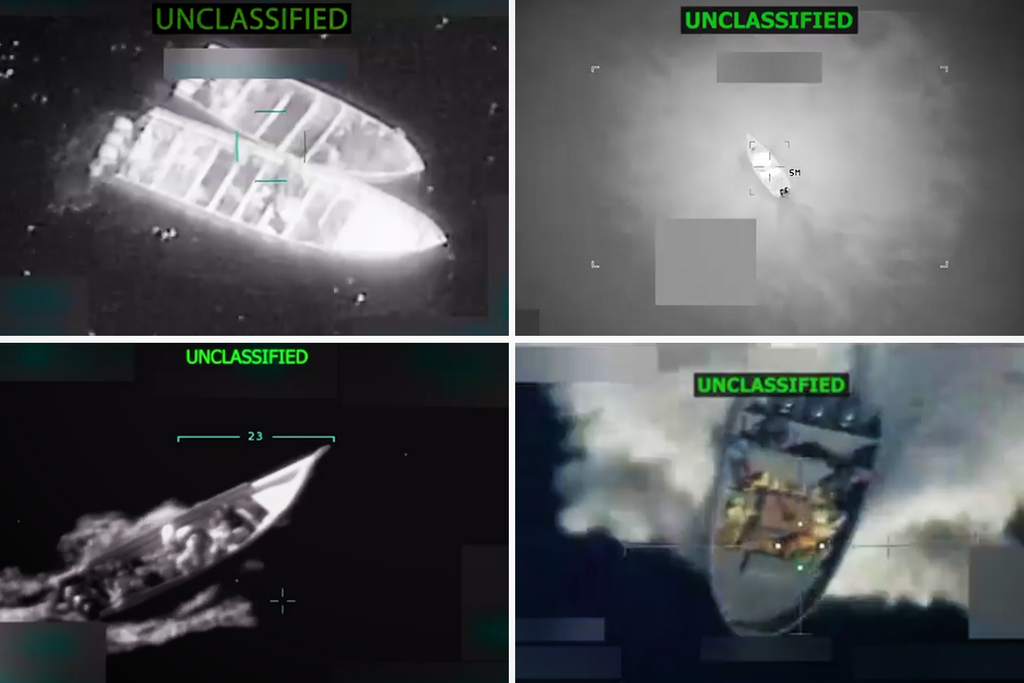
Source: This document has been approved for distribution by Ambrey Analytics Ltd.
EXECUTIVE SUMMARY
- Security challenges in the Caribbean have grown, driven by gangs, transnational organised crime, and limited state capacity to assert sustained control in key coastal areas.
- The US assertive regional posture and interests and Atlantic trade lanes, combined with its role as a principal narcotics and arms trafficking corridor, increase both criminal opportunity and geopolitical sensitivity.
- Expanded US naval deployments and intensified counter-narcotics and border enforcement operations are contributing to a more securitised operational maritime environment.
- Increased naval presence and surveillance activity near Cuba and Haiti indicate enhanced monitoring and enforcement posture, elevating compliance scrutiny and the risk of delays, inspections, or collateral disruption for merchant vessels.
- Shipping operators are advised to commission voyage and port risk assessments, maintain strict AIS compliance, and engage industry-recognised intelligence providers to monitor evolving political and security risks.
CONTEXT
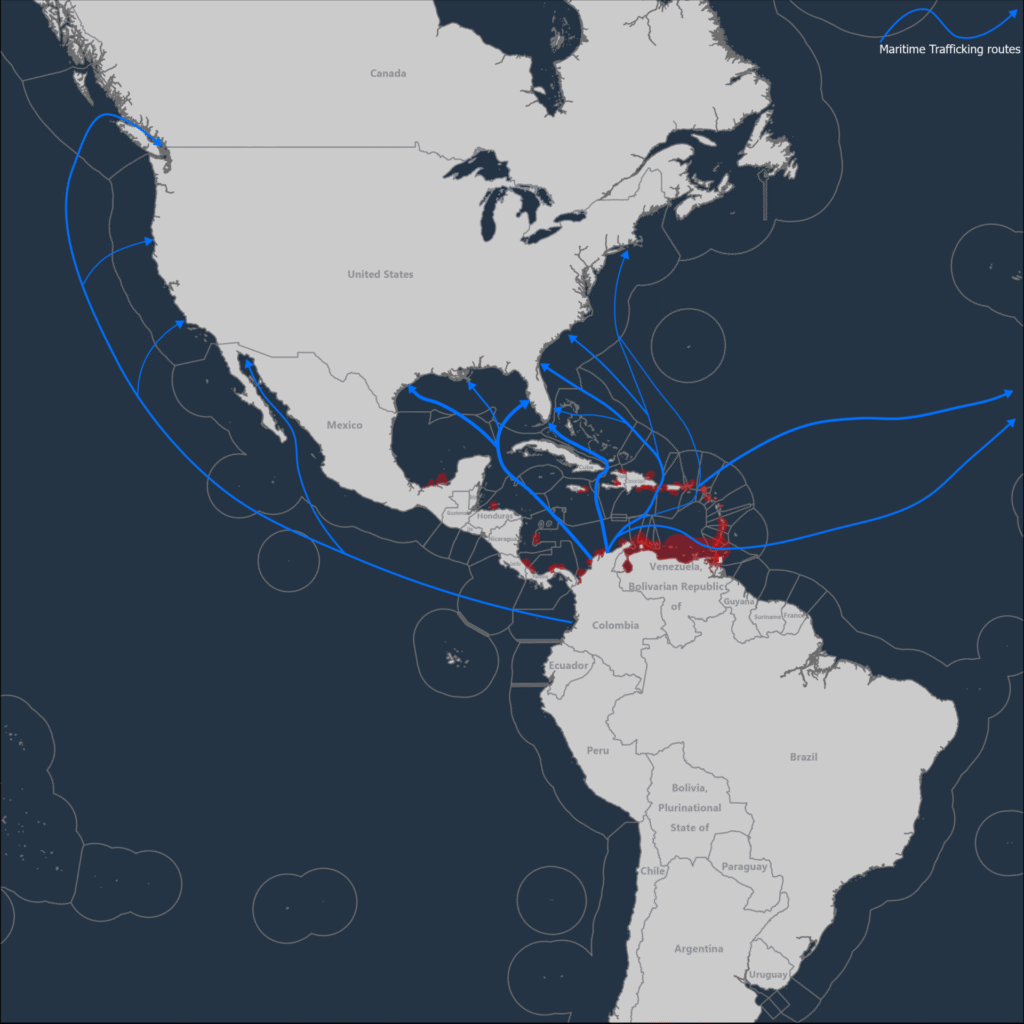
The Caribbean faces persistent and evolving security challenges, driven by geopolitical competition, entrenched gang violence, and transnational organised crime networks competing for control of drug trafficking routes. Limited state capacity, systemic corruption, and the widespread circulation of illicit firearms continue to sustain violence and undermine law enforcement effectiveness across several jurisdictions.
Positioned along major maritime routes linking South America with North America and Europe, the region is frequently exploited by criminal networks to move drugs, weapons, and other illicit cargo. Many Caribbean states operate with constrained fiscal resources and limited maritime enforcement capability, while public confidence in law enforcement remains limited. These structural constraints create permissive conditions for criminal exploitation of both land and maritime domains.
As a result, several governments rely heavily on external security assistance. Foreign naval and military forces operate across the region under counter-narcotics and security cooperation mandates. While intended to disrupt trafficking networks, this sustained external presence contributes to a more securitised and enforcement-driven maritime environment, increasing compliance scrutiny and operational complexity for commercial shipping.
Regional instability and limited state capacity are strongly observed in Haiti, where armed gangs dominate significant portions of Port-au-Prince and its surroundings, and in Cuba, where prolonged economic management, energy shortages, and declining public services have strained government capacity, contributing to recurring nationwide protests and increased seaborne migration. In Haiti, following the 2021 assassination of President Jovenel Moïse, armed gangs have consolidated control over significant parts of Port-au-Prince and key transit corridors, facilitating trafficking activity and weakening state authority.
The Caribbean’s strategic location, combined with the presence of energy infrastructure and petroleum export hubs, sustains the interest of external powers. This sustained external engagement, combined with internal instability, contributes to an evolving risk environment for merchant vessels operating in Caribbean waters.
ANALYSIS
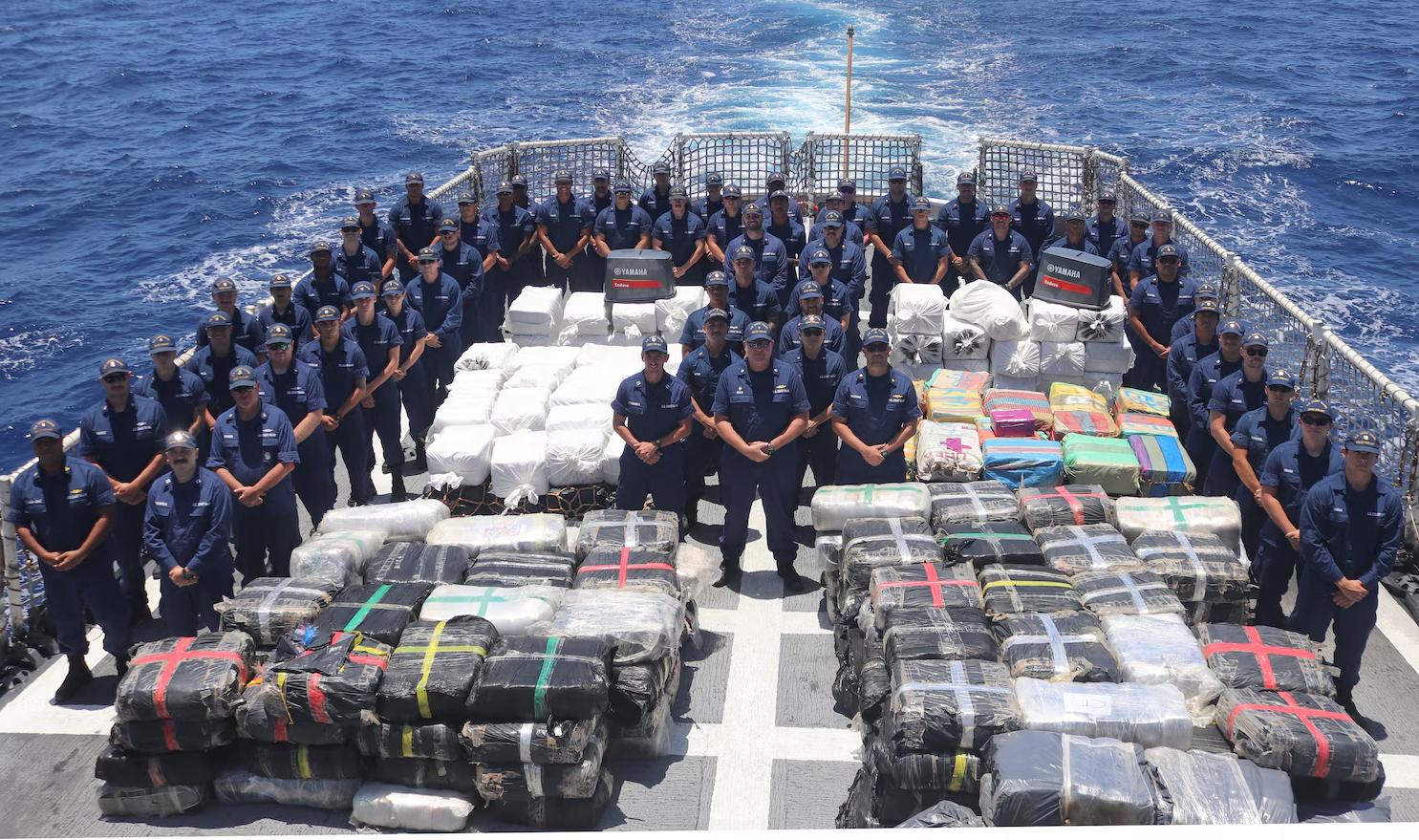
Recently there was a markable increase in military activity in the Caribbean Sea, driven by US counter‑narcotics measures, law‑enforcement operations, and strategic signalling. In addition, this surge in deployments is occurring against the backdrop of heightened US focus on geopolitical competition in the Western Hemisphere, there have also been military deployments in other countries in the Caribbean such as Haiti and Cuba. In a notable escalation of tensions, on 25 February 2026 Cuban authorities reported that their forces killed four people and wounded six others after a Florida‑registered speedboat entered Cuban territorial waters and opened fire on a Cuban patrol vessel, an incident Cuba described as an “attempted armed infiltration.”
Following the operation that culminated in the capture of Venezuelan President Nicolás Maduro, the US addressed other regional governments, including Cuba, which had previously been a close ally of the Maduro regime. More broadly, the removal of Venezuelan President Nicolás Maduro has left Cuba more strategically isolated and exposed to increased US economic and maritime pressure. In late January, US President Donald Trump called Cuba “an unusual and extraordinary threat” to national security and threatened to impose tariffs on any state that supplied oil or oil products to the country.
On 5 February 2026, Ambrey observed AIS data that showed the United States Arleigh Burke-class Aegis guided missile destroyer, USS STOCKDALE, operating northeast of Havana, Cuba. The naval presence within approaches to Cuban territorial waters indicates an elevated US maritime security posture in the northern Caribbean, extending beyond routine counter-narcotics patrol patterns. Such positioning enhances maritime domain awareness and interdiction readiness along key routes used for hydrocarbon deliveries and sanctioned trade to Cuba, while also providing rapid response capability against irregular maritime threats or state-linked support vessels.
In practical terms for commercial shipping, the deployment signals increased monitoring and potential scrutiny of traffic transiting near Cuban waters, particularly tankers or vessels linked to energy supply chains, and reflects a broader US intent to enforce economic pressure measures through visible naval presence and surveillance coverage in the region.
At the same time, on 3 February 2026, the United States deployed another guided-missile destroyer and two Coast Guard cutters to patrol the Bay of Port-au-Prince, Haiti, under Operation Southern Spear. The US Embassy described the deployment as a show of commitment to security and stability, acting as a deterrent against gang violence and supporting a peaceful political transition. However, the visible naval presence also sends a broader military signal, reinforcing US influence over Haiti’s maritime approaches and contributing to a heightened war-risk environment in the Caribbean.
The concurrent deployment of US naval assets around Cuba, Haiti, and the wider Caribbean indicates a period of heightened external military involvement in regional maritime spaces, with implications for both deterrence dynamics and operational risk. Concentrations of surface combatants, coast guard enforcement platforms, and surveillance activity increase the likelihood of miscalculation, interception risks, or escalation involving state and non-state actors.
RECOMMENDATIONS
Merchant shipping is advised to:
- Engage an industry-recognised intelligence specialist to regularly assess political and security risks to create a comprehensive, dynamic risk profile for voyages within the Caribbean Sea.
- Conduct dedicated port risk assessments and prepare contingency plans when calling ports within the Caribbean Sea.
CONTACT INFORMATION
Ambrey: +44 203 503 0320, intelligence@ambrey.com
AMBREY – For Every Seafarer, Every Vessel, Everywhere.
END OF DOCUMENT