AMBREY THREAT CIRCULAR> CEASEFIRE UPDATE
Date update released: 01 May 2026
Source: This document has been approved for distribution by Ambrey Analytics Ltd.
“The US is likely positioning for a potential renewal of military operations against Iran, supported by elevated force posture and increasingly assertive political messaging. While not inevitable, indicators – particularly dual carrier strike group deployment and recent senior-level military briefings – suggest a probable near-term escalation risk.”
Executive Summary
- The US appears to be preparing for a renewal of the conflict with Iran.
- Shipping is advised to review contingencies for US strikes and a regional Iranian response, primarily toward US and Israeli interests, but including collateral damage once again.
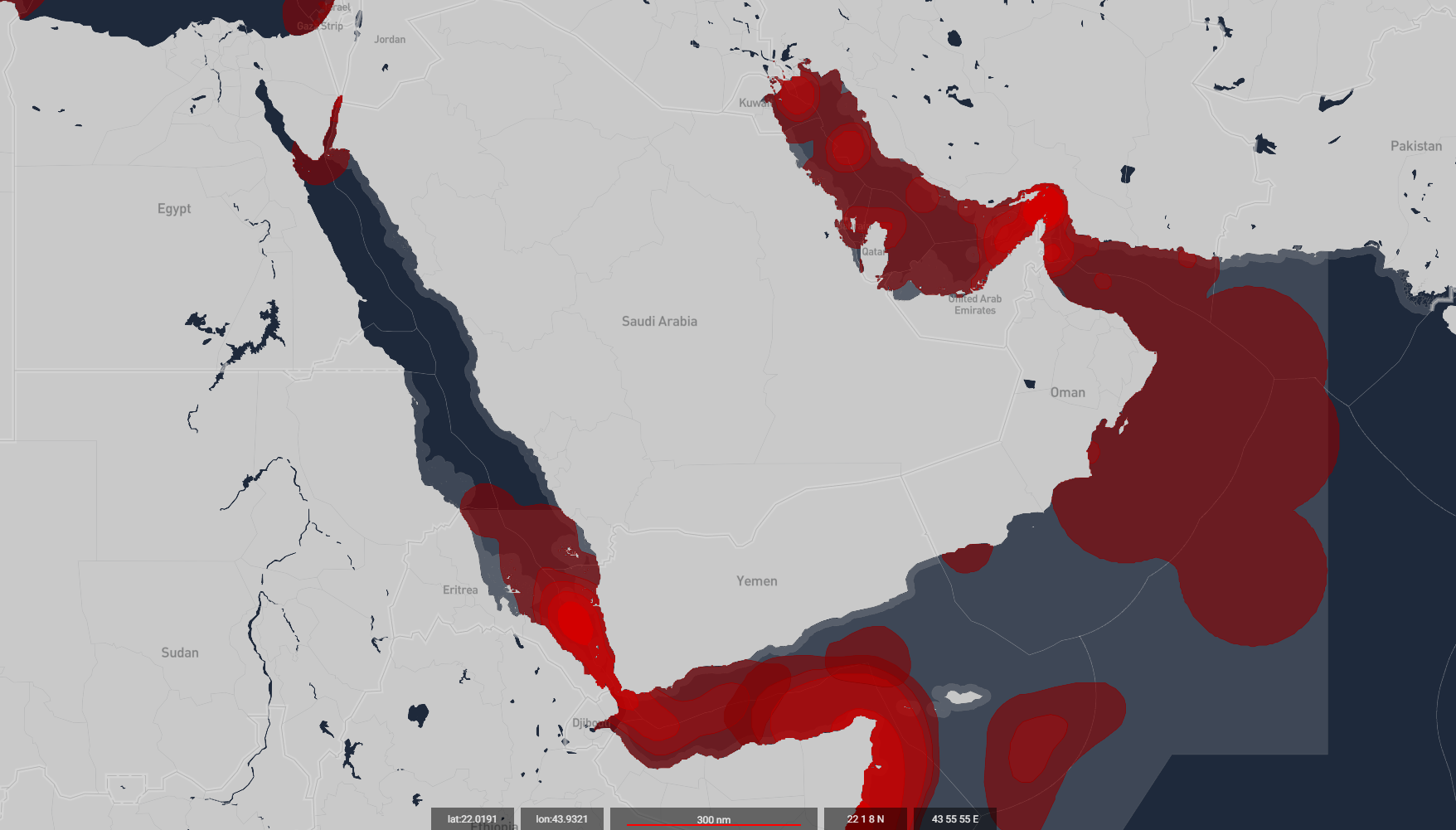
- Even if there were a resumption of negotiations or a declaration of an end to hostilities following further targeted strikes, there would still be a heightened threat within the Strait of Hormuz and calling Iranian ports until there is an agreement on the respective Iranian and US blockades.
SITUATION
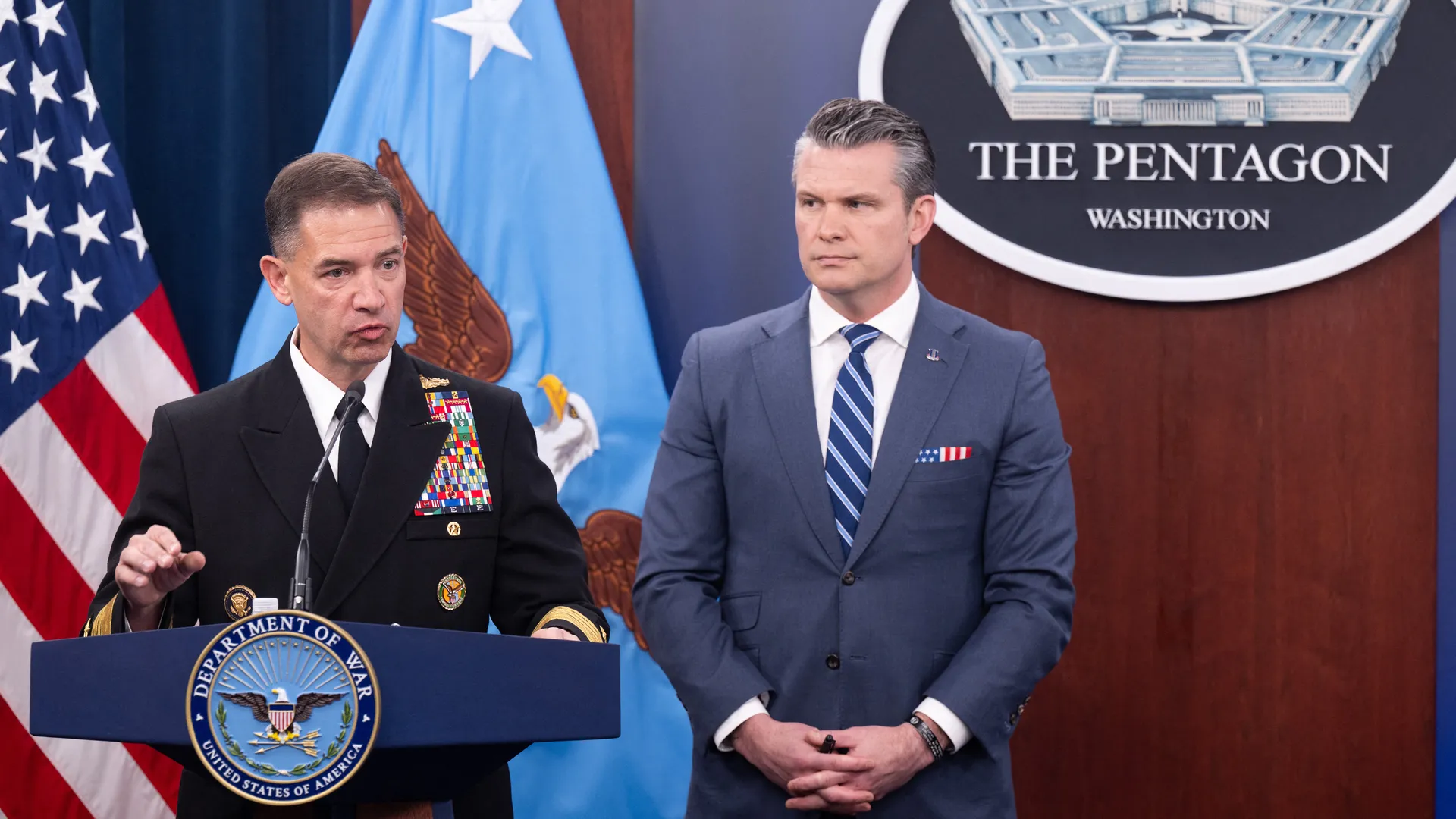
On 30 April 2026, it was reported that President Trump received a briefing from the Joint Chiefs of Staff and CENTCOM Commander on possible military options in Iran.
Also on 30 April, in a telephone interview, President Trump stated: “We have already won, but I want to win by a bigger margin.” The military achievements so far were “Not enough, we need guarantees they will never have a nuclear weapon.”
Meanwhile, Israel’s Defence Minister Katz, remarked: “we may soon be required to act again to ensure the objectives are achieved.”
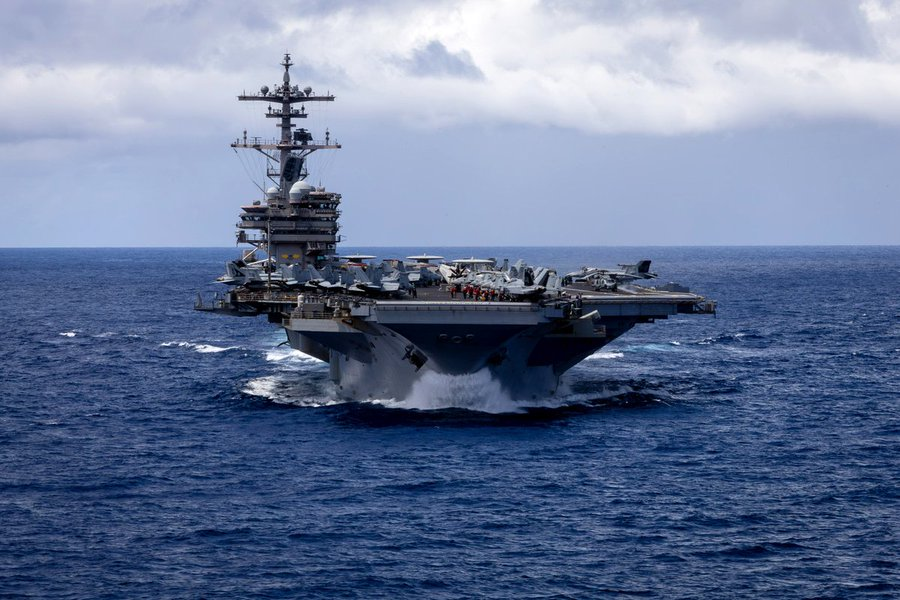
The US has the capability to renew its operations. This was bolstered by the arrival of the USS GEORGE H. W. BUSH Carrier Strike Group (CSG) on 23 April, joining the USS ABRAHAM LINCOLN.
The US administration has also disputed that it would need to seek congressional approval under the War Powers Act for a near-term renewal of military operations. The US executive have 60 days before which they must seek congressional approval, and after which there is a 30-day wind down period. US Secretary of War Hegseth asserted that the ceasefire had “paused”, or even “stopped”, the countdown: “We are in a ceasefire right now, which our understanding means the 60-day clock pauses or stops in a ceasefire”. If the clock on the War Powers Act were not to “pause” or “stop”, the 60-day period set by the War Powers Act would end 1 May 2026.
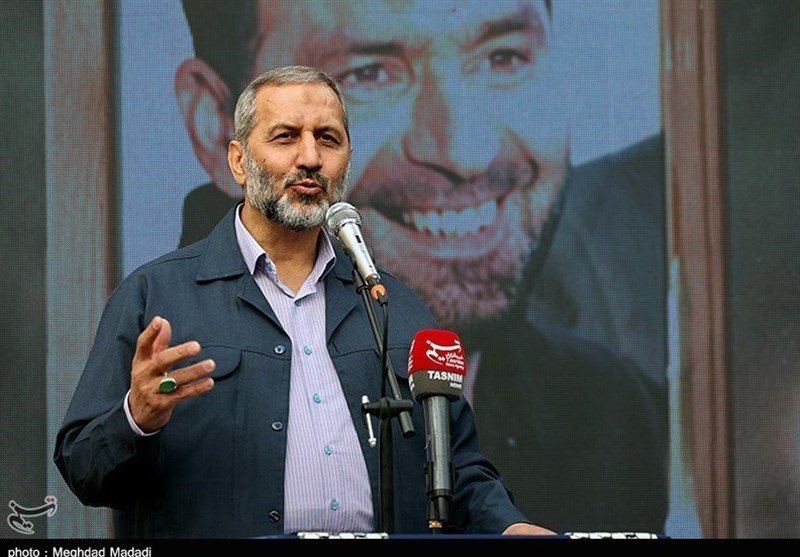
On 30 April, In response to reports of possible renewed military action, the Commander of the Islamic Revolutionary Guard Corps (IRGC’s) Aerospace Force, Mousavi, stated that “even if short and rapid” the response would be “prolonged and painful blows”, and he specifically threatened shipping: “We have seen the fate of your bases in the region; we will also see your warships.” In some renderings of the translation, it was “ships” or “vessels”, but Ambrey reviewed the original quotations in Farsi, and compared them with previous similar statements, which have been in the context of warship deployments. Also, in the English language version issued by semi-official Iranian news, it was rendered as “warships”.
ASSESSMENT
The last time in peace that it was openly briefed that the Joint Chiefs of Staff and CENTCOM Commander had discussed military options with President Trump, was 26 February 2026, two days prior to the commencement of US and Israeli hostilities. The objectives of the strikes could be nuclear/missile sites, which could enable the US to step away from the conflict for the time being, or could be aimed at degrading Iranian leverage over the Strait, political/military leadership resistant to compromise, or resilience to the US blockade.
The reason for the US frustration is that Iran is unwilling to have immediate negotiations over its nuclear programme. Earlier in the week, it was reported that Iran had offered to discuss its blockade on the Strait of Hormuz in return for discussing the US blockade on Iranian ports. The still-elusive Iranian Supreme Leader Ayatollah Mojtaba Khamenei was credited with a statement on national TV on 30 April describing nuclear and missile technologies as “national assets”. Earlier this week, Ambrey participated in a Security in Complex Environments Group webinar in which an oil and gas expert assessed that Iran’s economy is so diversified and self-sufficient that the US blockade would likely need to last “months”. The US administration, mindful of the midterms, will probably want to be closer to a deal or have further set back Iranian capabilities before then.
The US could of course launch sustained military operations without it, but the arrival of the CSG USS GEORGE H. W. BUSH into CENTCOM’s area of operations on 23 April 2026 is significant. The US began its operations in February 2026 with two CSGs: the USS ABRAHAM LINCOLN, which remains in the CENTCOM area of operations; and the USS GERALD R. FORD, which is expected to return to port. During the 12-day war in 2025, also deployed two CSGs: the USS CARL VINSON, and the USS NIMITZ. Prior to this, the US deployed two CSGs to CENTCOM as they rotated their presence in April-May 2025, and August-September 2024, short periods. The deployment before that, and of a longer duration, was November 2023-January 2024, in response to Hamas’ 7 October attacks on Israel. The USS GEORGE H. W. BUSH was deployed on 31 March, before the current ceasefire, and was likely to relieve the USS GERALD R. FORD. The presence of two CSGs is therefore assessed to be a leading indicator of conflict, but it is not guaranteed.
The US administration could probably win congressional approval for a renewal of the conflict if it were to seek it but would likely have to further elaborate its strategy and goals. Were the administration to decide to renew operations, they are more likely to continue to interpret the War Powers Act in the way Secretary of War Hegseth outlined.
Though the threat to the US has been to its “warships”, there has been a heightened risk towards US-flagged and owned/operated merchant vessels during the conflict. Were the conflict to resume, there would be assessed to be a heightened risk of damage to this category of vessel once more, and a heightened risk of collateral damage to other shipping in the region, as seen before the ceasefire.
RECOMMENDATIONS
- American and Israeli flagged, owned and operated shipping is advised to avoid transiting into the Arabian/Persian Gulf until a peace agreement is announced, and into the Gulf of Oman until there are stronger indications of negotiations resuming or a unilateral US announcement of an end of hostilities.
- Other shipping is advised to exercise caution if considering transiting into and within the Arabian/Persian Gulf and Gulf of Oman, it is assessed probable, but not certain, there will be a renewal of airstrikes within the region.
- Shipping inside the Arabian/Persian Gulf and wishing to depart is advised that shipowners/charterers should coordinate with Iranian authorities through their national embassies in Tehran. For the time being, it is not advised to transit without explicit coordination with Iranian authorities. Note – the US Treasury Department has warned that ‘toll’ payments risks sanctions.
- Crews should be briefed that, even if transit has been coordinated, if they are instructed mid-transit not to proceed, they should acknowledge the instructions and follow them immediately.
- Shipping proceeding to other regional ports should continue to adopt ship protection measures consistent with the risk of conflict resuming with little to no warning and should engage an intelligence provider for route planning.
CONTACT INFORMATION
Ambrey: +44 (0)203 503 0320, intelligence@ambrey.com
AMBREY – For Every Seafarer, Every Vessel, Everywhere.