Navigating the Post-Hormuz Maritime Risk Landscape
Date issued: 22 April 2026
Ambrey analysts, Tomas Alexa and Rebecca Egan: “In an era of supply-chain rebalancing and rising operational complexity, Ambrey’s long-term, trust-based client relationships deliver the foresight and intelligence-led support that enable tanker operators to navigate new trade routes with confidence, control, and competitive advantage.”
EXECUTIVE SUMMARY
- The Strait of Hormuz crisis is accelerating a long-term structural shift in global energy security, inducing oil-importing nations to reduce dependence on Gulf crude
- Buyers are actively rebalancing supply chains; subsequently, vessel operators will be entering these unfamiliar routes and face elevated challenges such as piracy, insurgency, political instability, narcotics trafficking, and regulatory complexity.
- This rebalancing is redirecting tanker traffic into new regions, creating a more complex risk landscape characterised by persistent operational threats rather than the Gulf’s low-frequency, high-impact events.
- Operators with a long-term, transparent partnership with their security providers gain proactive intelligence, predictive risk management, and a decisive operational advantage.
Oil Buying Countries Search for More Stable Non-Gulf Blends
The Strait of Hormuz crisis is accelerating a structural shift in global energy security. While freight rates, insurance, and traffic disruptions dominate headlines, the bigger change is a long-term reassessment of reliance on Gulf crude. Oil-importing nations are now actively rebalancing supply chains through long-term contracts, spot purchases, diplomacy, and upstream investments.
Key alternative sources gaining traction include North and West Africa (Libya, Algeria, Angola, Nigeria), the United States, Latin America (Guyana, Brazil, Venezuela), and Caspian producers such as Azerbaijan.
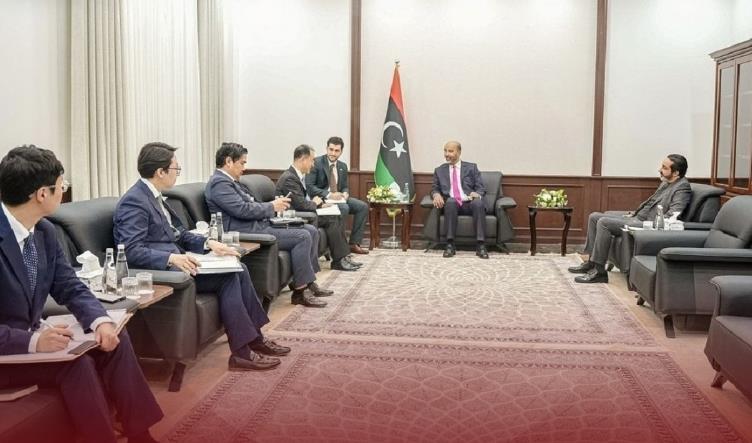
India illustrates the trend with its refinery reconfiguration for a broader slate of crudes, including Russian blends. Europe faces parallel pressures, moving away from both Middle Eastern and Russian supplies; Libya has become central to this strategy and is already Italy’s largest crude supplier, with early 2026 plans to expand Libyan gas production significantly for European export by 2030. Across Asia, the pattern holds, with South Korea engaging directly with Libyan and Algerian officials on crude and naphtha supplies, while regional buyers are also turning to Guyanese, Namibian, and West African grades. Although long-haul costs and technical constraints remain, current instability is steadily lowering those barriers.
Whilst at the time of writing, Asian-Flagged vessel calls to Nigeria, year on year, have not changed. This indicates that the Asian market has not yet expanded into Nigerian crude oil, following the war in the Strait of Hormuz. It is possible that it is too early to see an increase. While full disengagement from the Gulf remains unlikely in the near term, the trajectory is clearly toward reduced dependency on high-risk transit corridors.
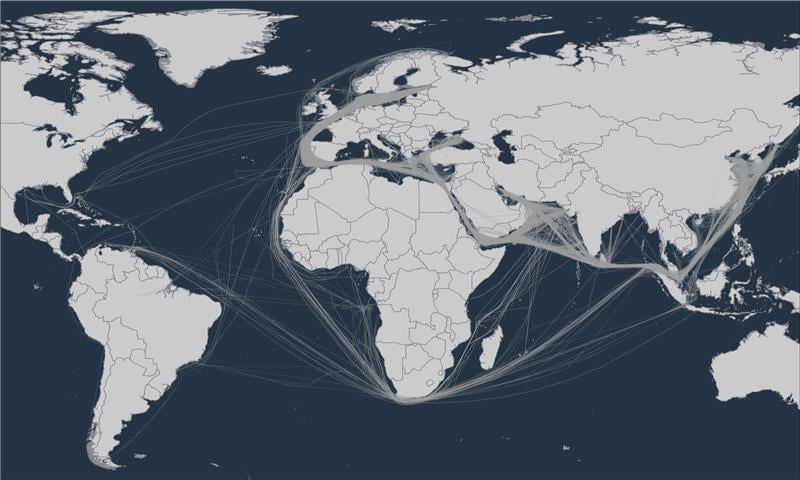
The result will be a gradual but decisive rebalancing toward supply chains that reduce exposure to strategic chokepoints. This evolving trade geography will be driving increased tanker traffic toward Libya, West Africa, Latin America, and parts of Russia’s export network. For vessel operators and underwriters, it creates a new and more complex risk landscape. Unlike the Gulf’s low-frequency, high-impact threats (state conflict or closure), these alternative regions bring persistent operational risks: narcotics trafficking, piracy, armed robbery, insurgency, political instability, and, in some areas, elevated migrant search-and-rescue exposure. Residual war risk lingers in Russian waters. Fleets moving into unfamiliar ports and regulatory environments will face heightened challenges for crews and shore teams alike.
Recommendation
- The Advantage of a Long-Term, Transparent Security Partnership
Those operators that have maintained a long-term, transparent relationship with their security provider have already begun to see the benefits of a proactive security posture. These consultative relationships build trust and are vital for effective planning in an increasingly uncertain operating environment. This is where sustained engagement becomes a decisive advantage. Clients who share forward trading strategies and planned route diversification allow Ambrey’s intelligence teams to move ahead of the risk curve.
Rather than reacting to incidents as they emerge, Ambrey forecasts exposure, assesses new routes and ports, identifies evolving threat patterns, and develops tailored mitigation frameworks well in advance of execution. This forward visibility enables a fundamentally different level of preparation. Risk management becomes structured and predictive, rather than reactive. When events occur, they are assessed against an established baseline, allowing clients to identify deviations from normal operating patterns rather than reacting to isolated signals.
- Pre-voyage planning is more granular, intelligence-led, and operationally aligned with the realities on the ground.
For masters and crews, this translates into clarity, confidence and over-the-horizon intelligence. Briefings are not generic; they are targeted, practical, and grounded in persistent and standardised intelligence gathering. Crews are not only reassured but also equipped with specific awareness of the risks they are likely to face, en route, in port and after port departure.
In an environment defined by uncertainty and complex risks, this proactive model acts as a force multiplier, reducing exposure, enhancing decision-making, and enabling operators to support global trade and maintain supply chain resilience as they expand into new regions with greater control. As global oil flows continue to shift, those operators aligned with intelligence-led, long-term security partnerships are best positioned to navigate the evolving risk landscape.
Ambrey: +44 203 503 0320, intelligence@ambrey.com
AMBREY – For Every Seafarer, Every Vessel, Everywhere.