AMBREY THREAT CIRCULAR> Iran’s Strait of Hormuz Posture
Date released: 23 March 2026
Source: This document has been approved for distribution by Ambrey Analytics Ltd.
“There has been a significant difference between the official Iranian stance and the observed behaviour. Do not make assumptions based on public statements.”
EXECUTIVE SUMMARY
- Iran is assessed highly likely still capable of damaging shipping transiting the Strait of Hormuz.
- Iran is using calibrated maritime attacks in the Strait of Hormuz to signal a credible capacity to disrupt transit without full closure, increasing global oil price volatility, shipping risk premiums, and responding to US and Israeli actions.
- The most likely explanation is an IRGC-led escalation with operational autonomy, resulting in inconsistent, coercive behaviour that shapes vessel conduct while maintaining strategic ambiguity.
- The primary risk is misinterpreting public statements by senior figures in the Iran, leading shipping companies to make unilateral decisions that may inadvertently increase operational and crew safety risks.
- Another risk is the gradual erosion of transit rights under United Nations Convention on the Law of the Sea (UNCLOS), particularly if interference and bilateral access arrangements normalise selective or conditional transit.
- Shipping faces dual exposure: war and legal risk, especially due to US sanctions on the Islamic Revolutionary Guard Corps (IRGC), where even coerced interactions may trigger liability.
- Companies should adopt a risk-managed approach that preserves safety and legal defensibility while avoiding normalisation of coercive practices, maintaining neutrality, documenting incidents, and planning for both structured escalation and opportunistic behaviour.
SITUATION
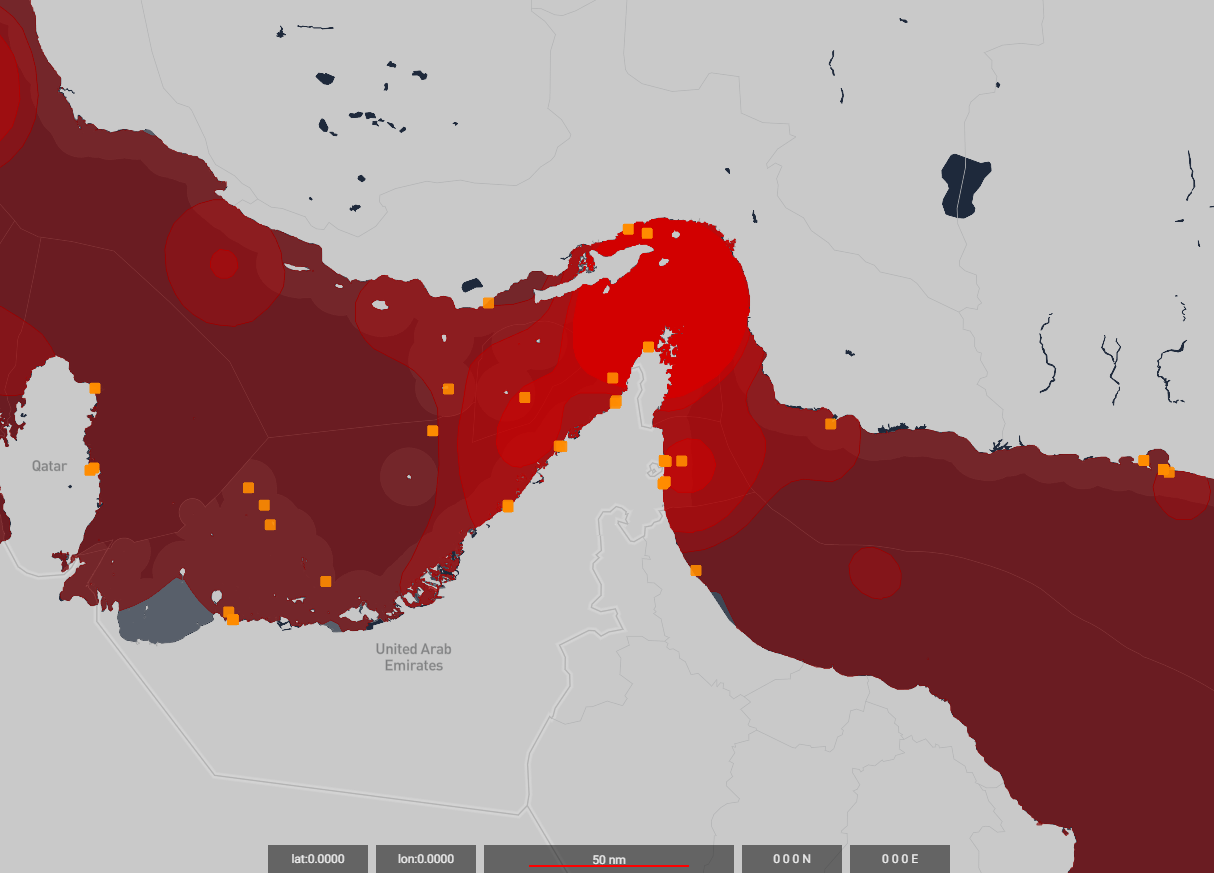
The Islamic Republic is using attacks in Strait of Hormuz to signal a credible capacity to disrupt transits and to respond to US/Israeli actions in Iran.
The military has threatened to close the Strait completely if Trump directs the US military to strike Iranian energy facilities. Closure would likely take the form of graduated disruption, particularly in a scenario of already-escalated conflict or degraded Iranian export capacity.
Controlling the Strait has had the effect of pressuring global oil prices and…