IMPLICATIONS OF REGIONAL INSTABILITY FOR MERCHANT SHIPPING IN THE CARIBBEAN
Source: This document has been approved for distribution by Ambrey Analytics Ltd.
“The Caribbean faces persistent and evolving security challenges driven by geopolitical competition, transnational organised crime, and limited state capacity. For commercial shipping, heightened military presence and intensified scrutiny are increasing operational complexity and compliance demands.”
EXECUTIVE SUMMARY
- Security challenges in the Caribbean have grown, driven by gangs, transnational organised crime, and limited state capacity to assert sustained control in key coastal areas.
- The US assertive regional posture and interests and Atlantic trade lanes, combined with its role as a principal narcotics and arms trafficking corridor, increase both criminal opportunity and geopolitical sensitivity.
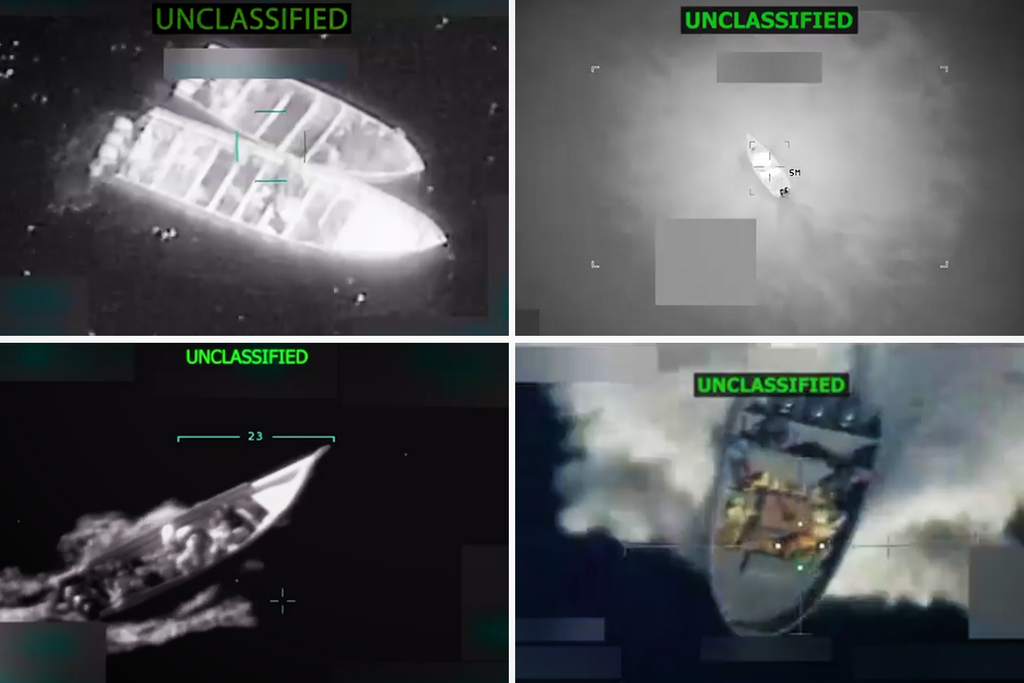
- Expanded US naval deployments and intensified counter-narcotics and border enforcement operations are contributing to a more securitised operational maritime environment.
- Increased naval presence and surveillance activity near Cuba and Haiti indicate enhanced monitoring and enforcement posture, elevating compliance scrutiny and the risk of delays, inspections, or collateral disruption for merchant vessels.
- Shipping operators are advised to commission voyage and port risk assessments, maintain strict AIS compliance, and engage industry-recognised intelligence providers to monitor evolving political and security risks.
CONTEXT
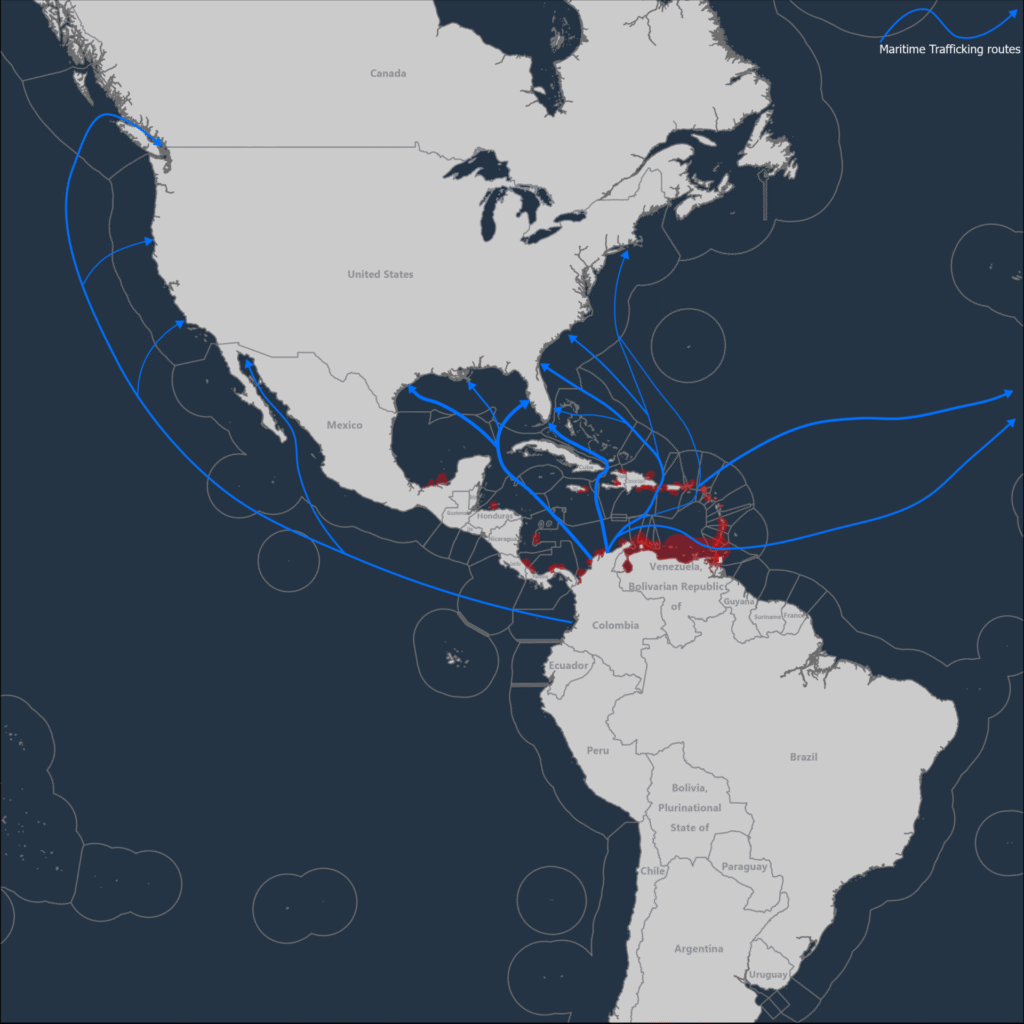
The Caribbean faces persistent and evolving security challenges, driven by geopolitical competition, entrenched gang violence, and transnational organised crime networks competing for control of drug trafficking routes. Limited state capacity, systemic corruption, and the widespread circulation of illicit firearms continue to sustain violence and undermine law enforcement effectiveness…