AMBREY INSIGHT >MILITARY COUPS D’ÉTAT IN SUB-SAHARAN COASTAL STATES
Date issued: 03 December 2025
“Ambrey advises companies operating in Sub-Saharan Africa should monitor coup dynamics, assess risks of operational disruption, recognise that slower power consolidation increases instability, and use early-warning indicators and risk planning (including deviations, insurance, contingencies, and crew readiness) for resilient operations.“
Source: This document has been approved for distribution by Ambrey Analytics Ltd.
EXECUTIVE SUMMARY
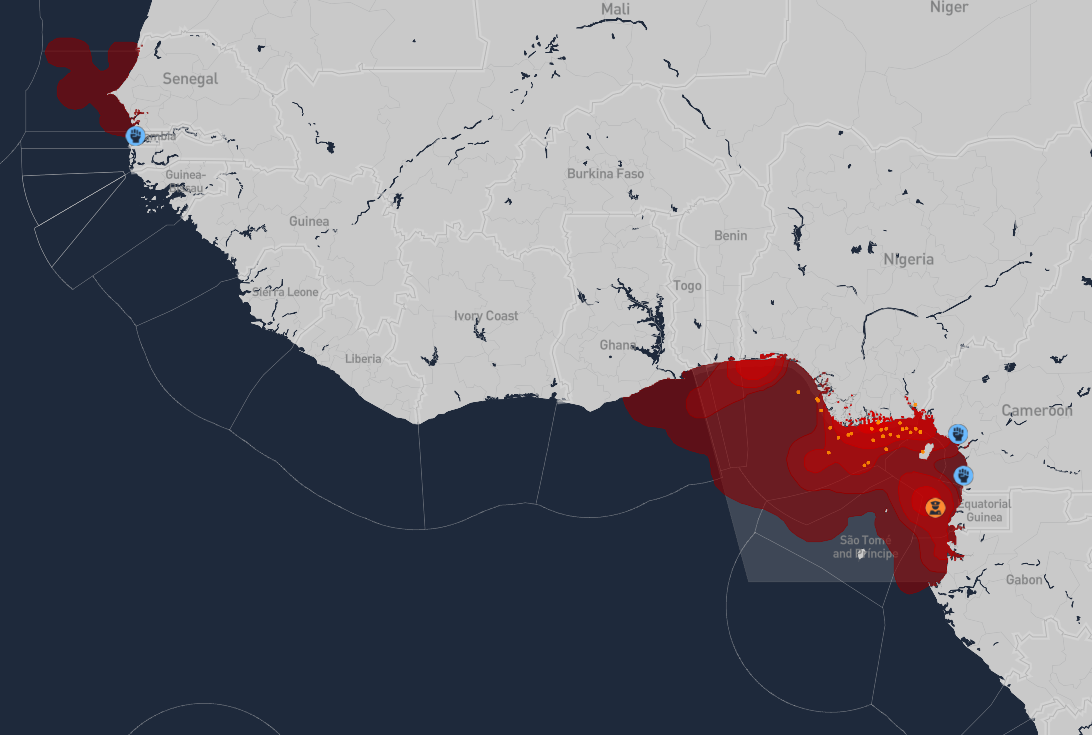
- Since 2021, four Sub-Saharan African coastal states have experienced military coups: Guinea (2021), Gabon (2023), Madagascar (2025), and Guinea-Bissau (2025).
- These coups emerged from deep legitimacy crises, typically preceded by mass protests, repression of dissent, or concerns over regime survival.
- Conflict and significant border closures have generally been avoided, as coup organisers rapidly arrested or neutralised outgoing leaders and consolidated control of the armed forces.
- No foreign military intervention has occurred in these cases; the last decisive regional intervention remains ECOWAS’s Operation Restore Democracy in The Gambia (2017).
- There is a realistic possibility of increased ECOWAS pressure on Guinea-Bissau, though the threshold for military intervention remains high.
- While recent coastal coups have not caused major disruption to commercial shipping, several states exhibit conditions—fragmented security forces, rival armed units, or contested transitions—that heighten the risk of future disruption.
- Shipping companies should monitor political indicators closely and maintain contingency plans for port calls in higher-risk states.
KEY COUP D’ETAT INDICATORS IN SUB-SAHARAN AFRICA
Legitimacy crises have preceded these coups:
Guinea-Bissau: The Prime Minister of Senegal described the situation as a “sham”, implying the coup was orchestrated by regime insiders. In 2023, the President dissolved parliament following an alleged coup attempt. The 2025 takeover occurred before presidential results were released, in what international observers characterised as a close contest.
Madagascar: Protests in September over power outages and water shortages escalated into wider anti-government demonstrations, later joined by elements of the military.
Gabon: President Ali Bongo suffered a stroke years earlier, followed by a failed coup attempt. His 2023 “re-election” was widely criticised as fraudulent, contributing to the successful coup that followed.
Guinea: President Alpha Condé amended the constitution to seek a third term, triggering mass protests and repression. Although international observers viewed the elections as broadly proper, the opposition rejected the results.
Across these states, there was evidence of eroding civilian oversight of the armed forces. In Gabon, although the President reshuffled the Republican Guard after the 2019 coup attempt, he did not implement further reforms; the same leadership remained in place and ultimately led the 2023 coup.
IMPLICATIONS FOR SHIPPING
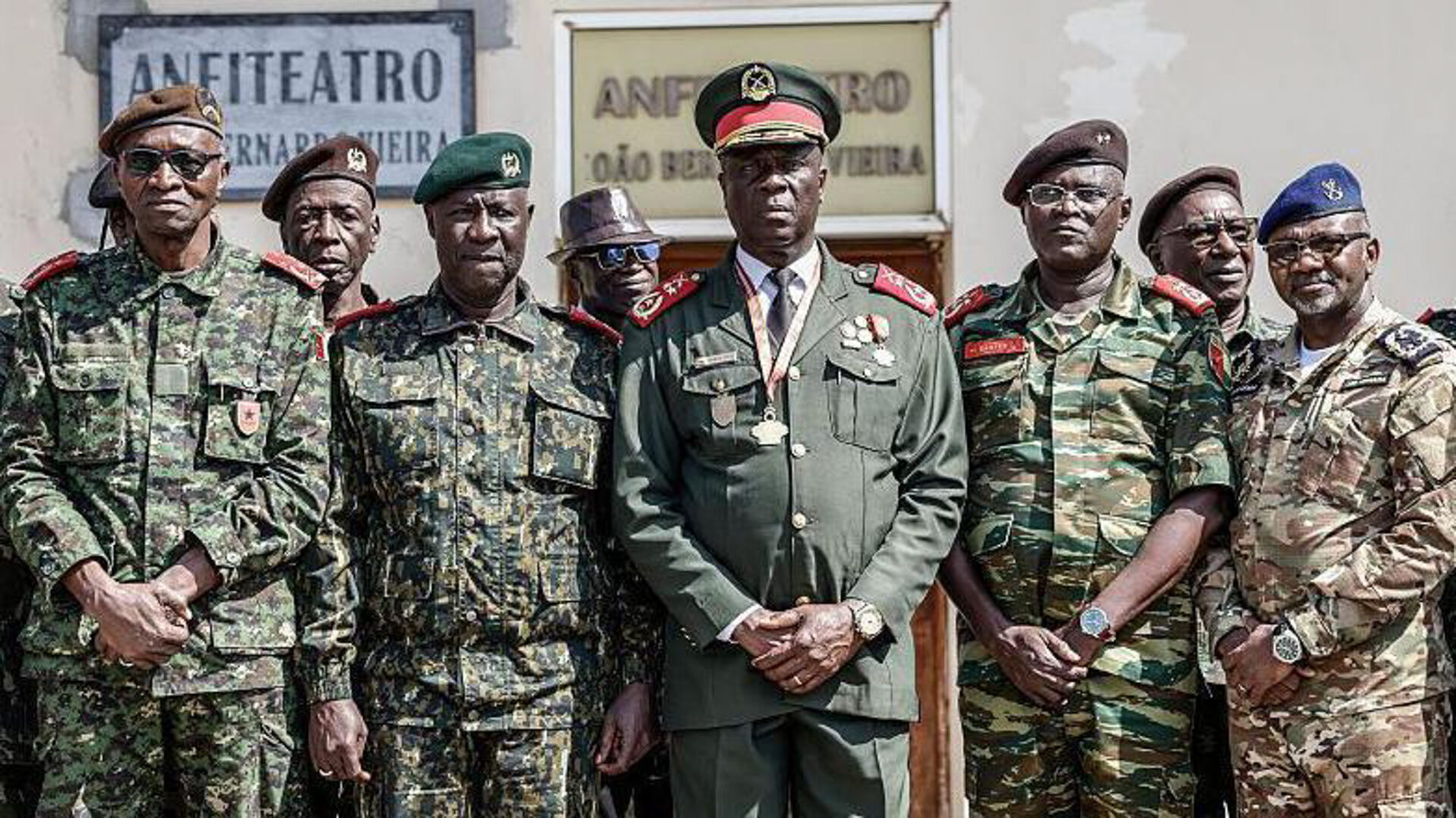
The implications for shipping have been low, because of several factors, that may not hold in future military coups.
Consolidation of power by elite units: Coups in Guinea-Bissau, Gabon, and Guinea consolidated power quickly because they were executed by elite units—republican guards, presidential guards, and special forces—with direct access to state resources. These forces lacked rival, independent factions dependent on presidential patronage; all were funded through central government budgets, reducing the likelihood of multi-sided conflict.
Low likelihood of foreign intervention: Foreign intervention has been unlikely in these cases. None involved border disputes, asset seizures, or threats to foreign nationals that might otherwise prompt regional or international military action. The speed of events in Guinea, Guinea-Bissau, and Madagascar created faits accomplis that regional organisations were slow to challenge.
Use of popular mobilisation and repression: In Madagascar and Guinea, militaries aligned themselves with ongoing protests against incumbents. In Gabon, coup leaders initiated a “national dialogue” and arrested former regime figures under anti-corruption charges. In Guinea-Bissau, popular mobilisation has been limited; however, in all four cases, militaries possessed both the capability and willingness to repress dissent.
The situation in Guinea-Bissau remains vulnerable to reversal if external pressure intensifies. Although the President has departed, indicators suggest the coup was driven by insiders seeking regime survival. Nigeria has provided shelter to the opposition candidate, and ECOWAS will formally consider its response on 14 December 2025. Likely outcomes include: rejection of the military’s one-year transition timeline, imposition of targeted sanctions, and a demand for a faster return to civilian rule. ECOWAS may threaten military intervention, as in The Gambia (2017), but the threshold for action is high and would be preceded by diplomatic and economic measures.
RECOMMENDATIONS
Companies specifically calling Guinea-Bissau should monitor political developments in the country and the outcomes of ECOWAS Conference of Heads of State and Government on 14 December 2025.
Companies operating in Sub-Saharan Africa should:
- Closely track coup dynamics and evaluate how resilient each coastal state is to political instability.
- Identify specific factors that, if a coup were to occur, could increase the risk of disruption to operations.
- Note that coup dynamics differ across the region, and in some states, organisers may be unable to consolidate power as rapidly. In such cases, the risks of wider disruption—and consequently greater impacts on shipping—are significantly higher.
- Monitor early-warning indicators, and conduct risk assessments, and prepare practical guidance on deviation expectations, insurance considerations, voyage contingencies, and crew preparedness to support flexible and resilient voyage planning.
CONTACT INFORMATION
Ambrey: +44 203 503 0320, intelligence@ambrey.com
AMBREY – For Every Seafarer, Every Vessel, Everywhere.
END OF DOCUMENT